Lower Impact, Same Shelf Life
Customers notice packaging waste and they ask about it. The hard part is reducing your footprint without losing the barrier that keeps food good. We will tell you honestly where that trade is easy and where it is not.
- Store-drop-off recyclable mono-material
- Certified compostable structures
- PCR content and right-sizing
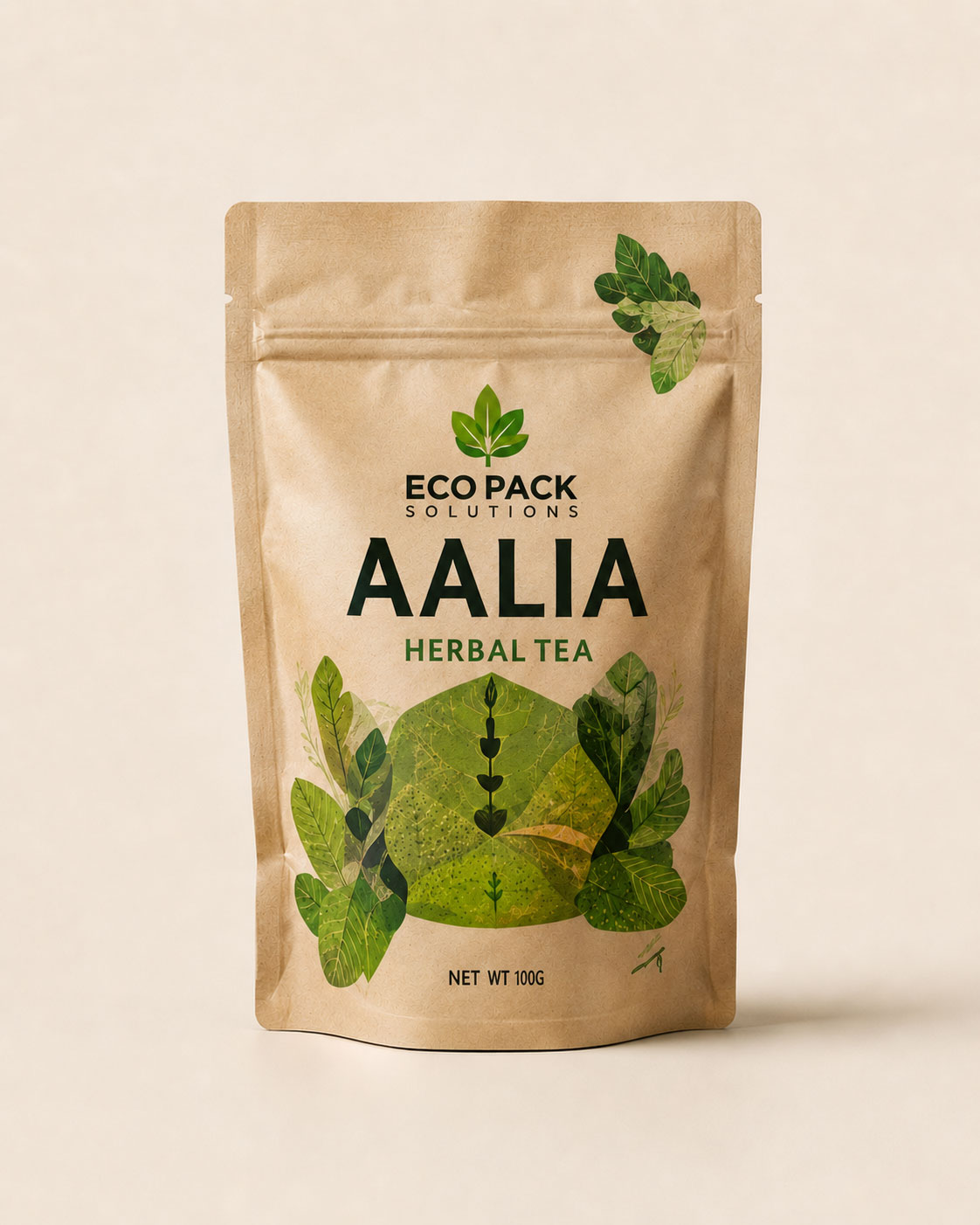
The Honest Version of This Conversation
Food packaging is a barrier problem first, and high barrier has traditionally meant several different materials laminated together. That mix is exactly what makes a package hard to recycle. So sustainable food packaging is not one switch you flip, it is a set of trade-offs between how long the food must stay good, how fatty or aromatic it is, and how recoverable the package needs to be at the end of its life. Some products can move today with no downside at all. Others can move part of the way. We would rather map that out properly than sell you a claim you cannot defend.
Four Routes Worth Knowing
Nearly every real gain in this category comes from one of these four.
Mono-Material Recyclable
A single material family so the package can go to store drop-off, while keeping meaningful barrier. The most practical route for most dry foods.
Compostable Films
Certified compostable structures for eligible products, best suited to shorter shelf lives and lower fat content.
PCR & Bio-Based Content
Recycled or bio-based material in the structure, cutting virgin plastic without changing how the package performs.
Right-Sizing
The quietest win of the four. A package sized correctly to its fill uses less material per unit of food and ships better.

Where the Trade-Off Actually Bites
Fat content and shelf life are the two variables that decide how far you can go. The higher either one is, the more barrier you need, and the harder a single-material or compostable structure becomes.
- Dry goods, shorter shelf lifeThe easiest products to move to a greener structure.
- Baked goods and confectioneryUsually workable, with grease resistance as the limiting factor.
- Coffee, nuts, and high-fat snacksThe hardest case, where barrier has to come first.
- Sauces and anything retortProcessing narrows the material set before sustainability does.
Say It Accurately
The fastest way to lose trust in this category is a claim the package cannot support.
- Store drop-off is not the same as curbside, so say which one you mean
- Compostable means certified, and usually commercial rather than backyard
- Recyclable only counts where a real stream exists for that material
- State your PCR content rather than implying the whole package
- Tell the customer exactly what to do with the empty pack
One honest, specific claim is worth more than three vague ones, and it is far easier to defend.
Where to Go Next
Sustainability sits on top of the format and print decisions rather than beside them.
Custom Food Packaging
Specify the barrier and the sustainability route at the same time.
Learn more 500+ bagsDigital Printing
Short runs mean less obsolete inventory, which is its own waste saving.
Learn more SecondaryCustom Boxes & Mailers
Recyclable board and right-sized cartons for ecommerce shipping.
Learn more ProducersFarmers & Producers
Small-batch packaging where the natural, low-impact look is the brand.
Learn moreReady to Spec Your Packaging?
Tell us what you are making, roughly how much of it, and when you need it. We will come back with options and honest guidance on what your product actually needs.
Email Us for a Quote