Food Packaging Blog
Guides, tips, and fresh ideas to help food brands package smarter, protect their product, and stand out on the shelf.
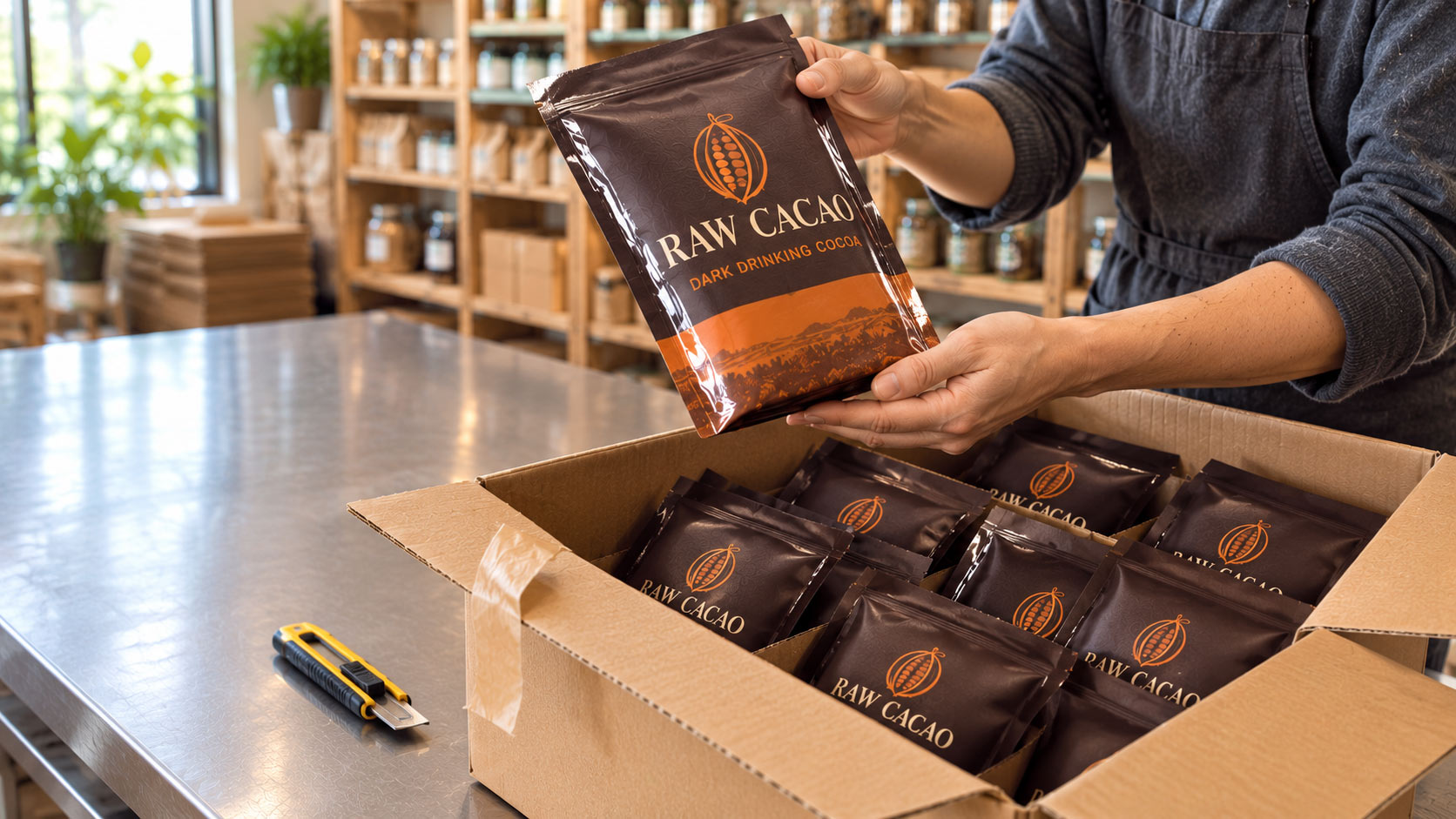
Your Matte Pouches Arrived With Shiny Streaks. The Box Polished Them.
The pouches looked perfect on the proof and perfect off the press. Then the cases arrive at the store and every bag has glossy streaks along the edges and corners, as if someone rubbed them with a thumb. Nothing is wrong with the print. A matte finish gets its look from a fine texture on the outside of the bag, and rubbing in transit polishes that texture smooth. Here is how to choose a finish that holds up and pack it so it arrives looking matte.
Read ArticleMore Articles
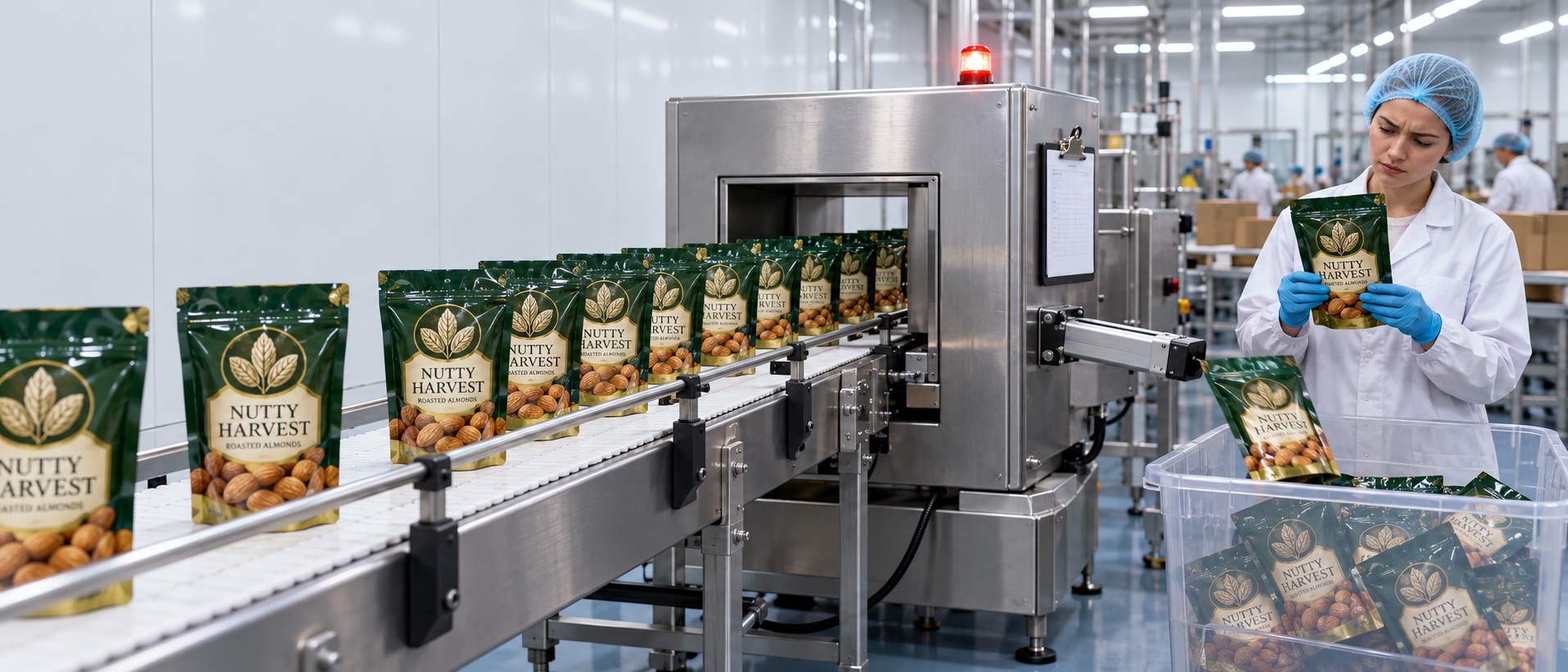
Your Metal Detector Keeps Rejecting Good Bags. The Foil Is Why.
The line runs, the bags look perfect, and the metal detector rejects them anyway. Nothing is contaminated. A foil barrier is a sheet of metal wrapped around your food, and a standard metal detector sees it the way it would see a bolt in the product. The fix is a decision about where you inspect and what film you choose, and it is easiest to make before the first pouch is printed.
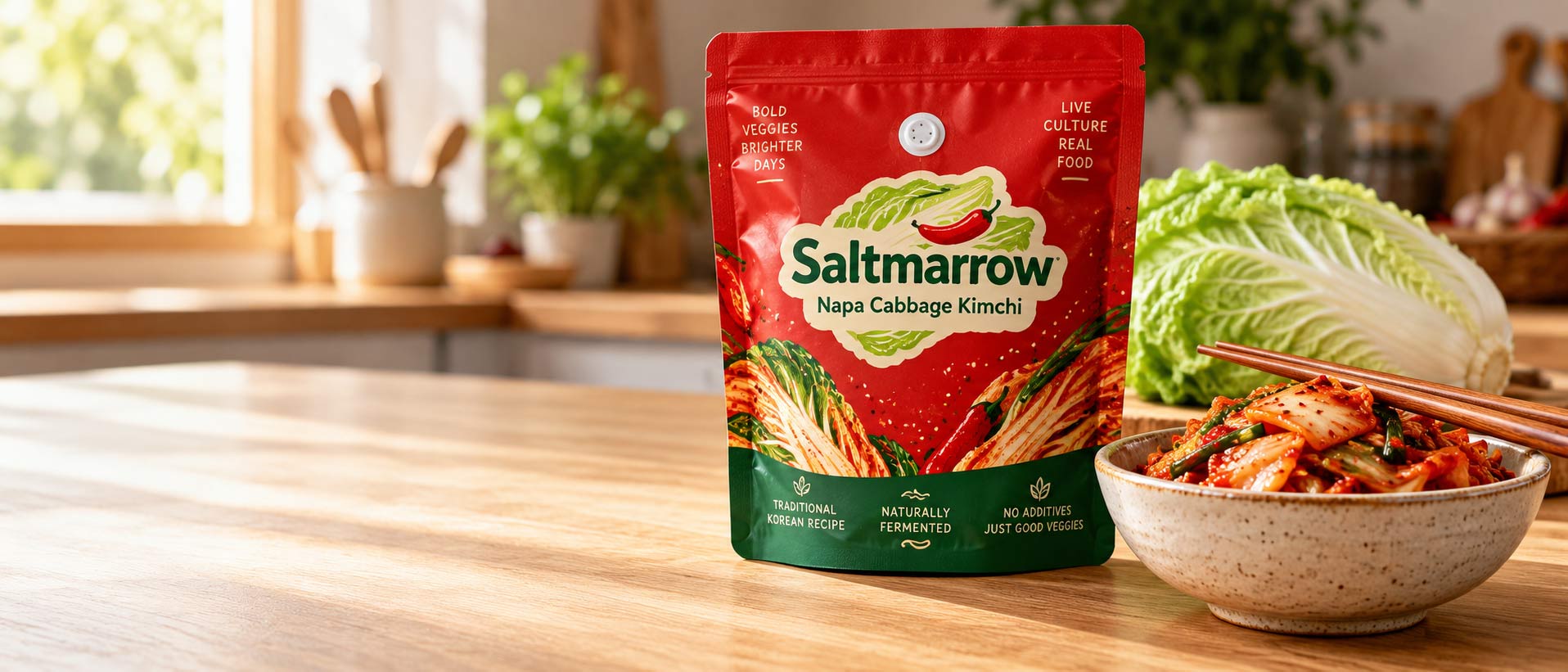
Your Kimchi Is Not Spoiled. It Is Still Alive in There.
A pouch of kimchi leaves the kitchen flat. A week later it is puffed up like a pillow, and the store pulls it because swollen packages look like bad food. Nothing went wrong. Live cultures keep working after the bag is sealed, and every bit of that work makes gas. A sealed bag with nowhere for that gas to go is a balloon waiting to happen.
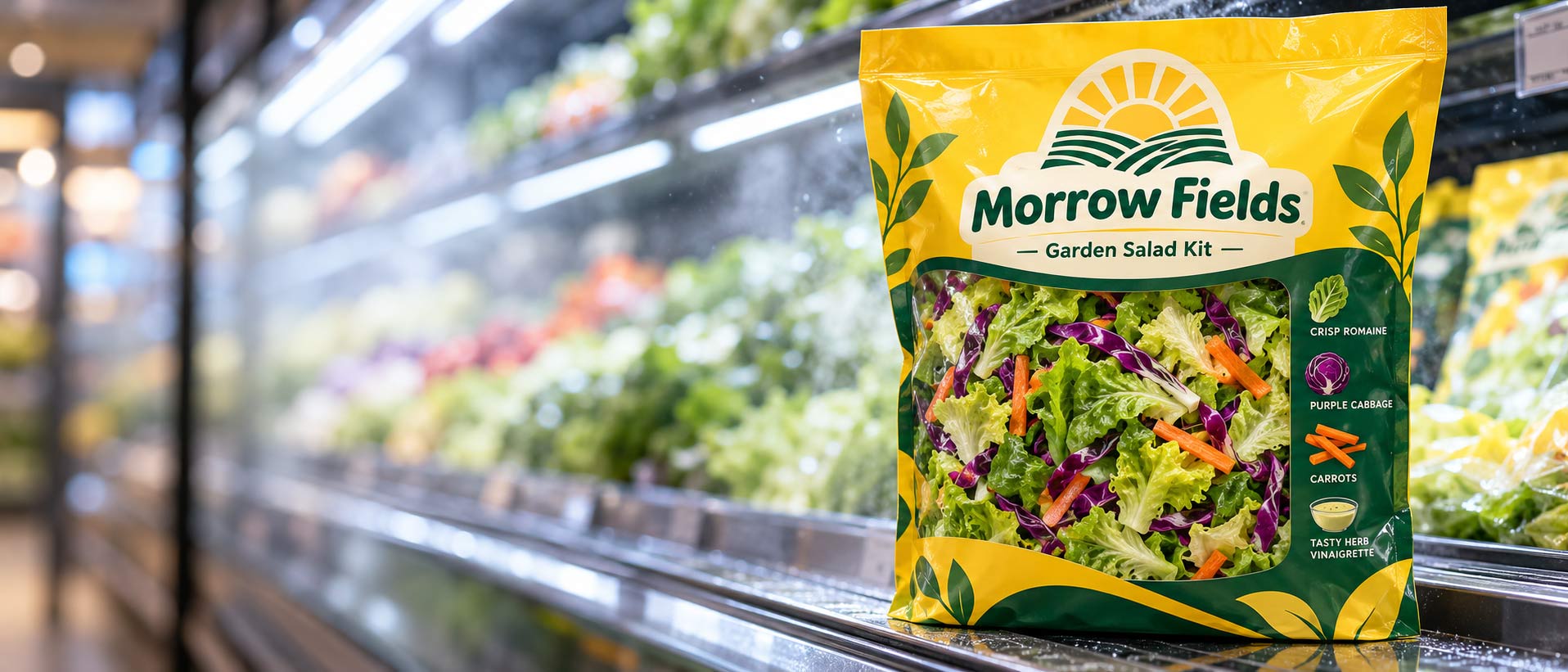
Your Window Is Not Cloudy. It Is Covered in Tiny Raindrops.
A salad kit looks perfect when it is packed. By the time it sits in the grocery cooler, the clear window has turned gray and the shopper cannot see a single leaf. The film is not cheap and the seal is not leaking. The food is breathing out moisture, the cold film is catching it, and plastic that hates water is turning that moisture into thousands of little droplets that scatter the light.
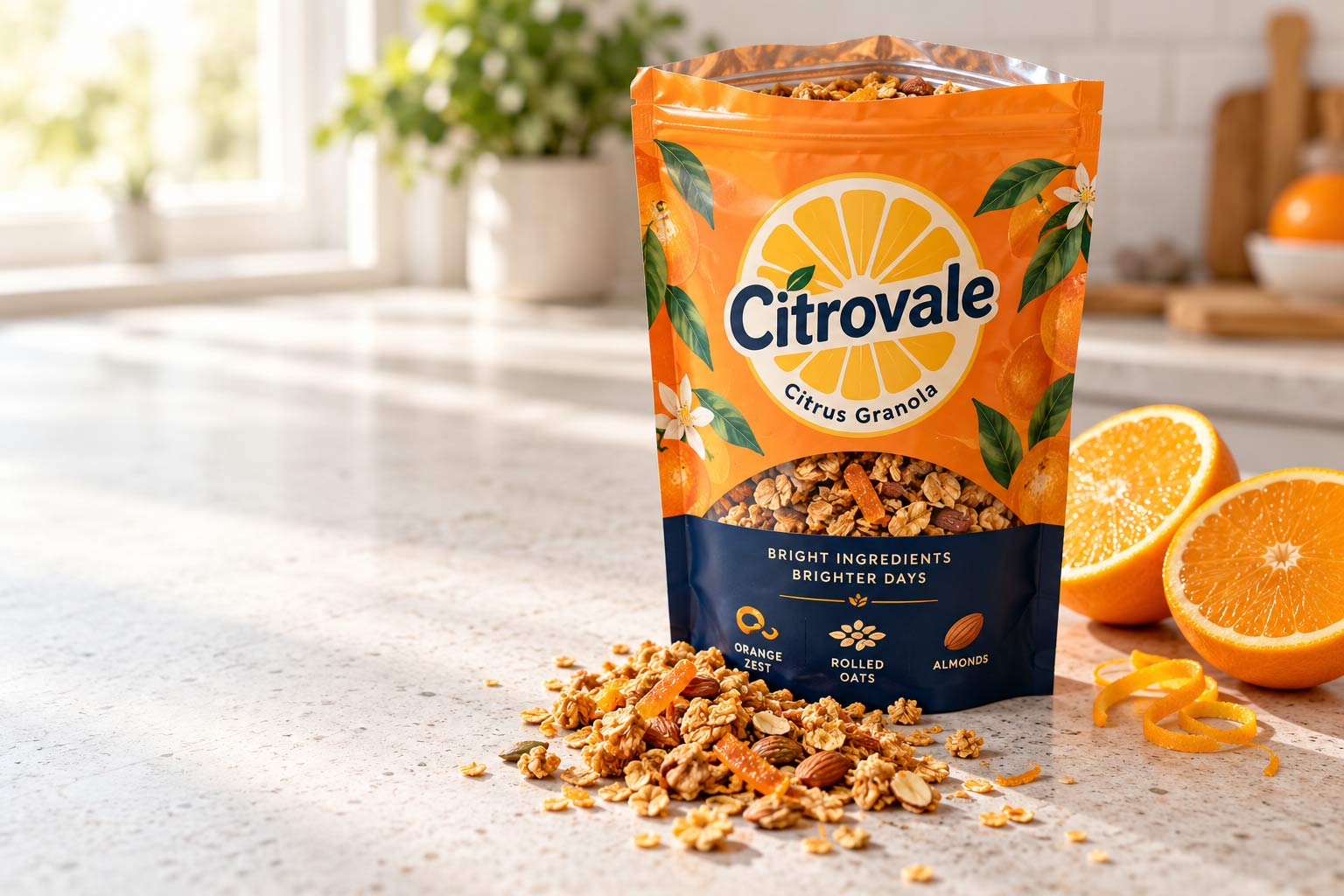
Your Product Did Not Go Stale. The Bag Drank the Flavor.
A citrus granola that tasted bright at launch tastes flat three months later. The best by date is nowhere close, the barrier film is the good one, and the seal held. So the batch gets blamed. But the flavor did not escape and it did not break down. It moved a few thousandths of an inch, out of the food and into the plastic layer touching it, and it is still sitting there.
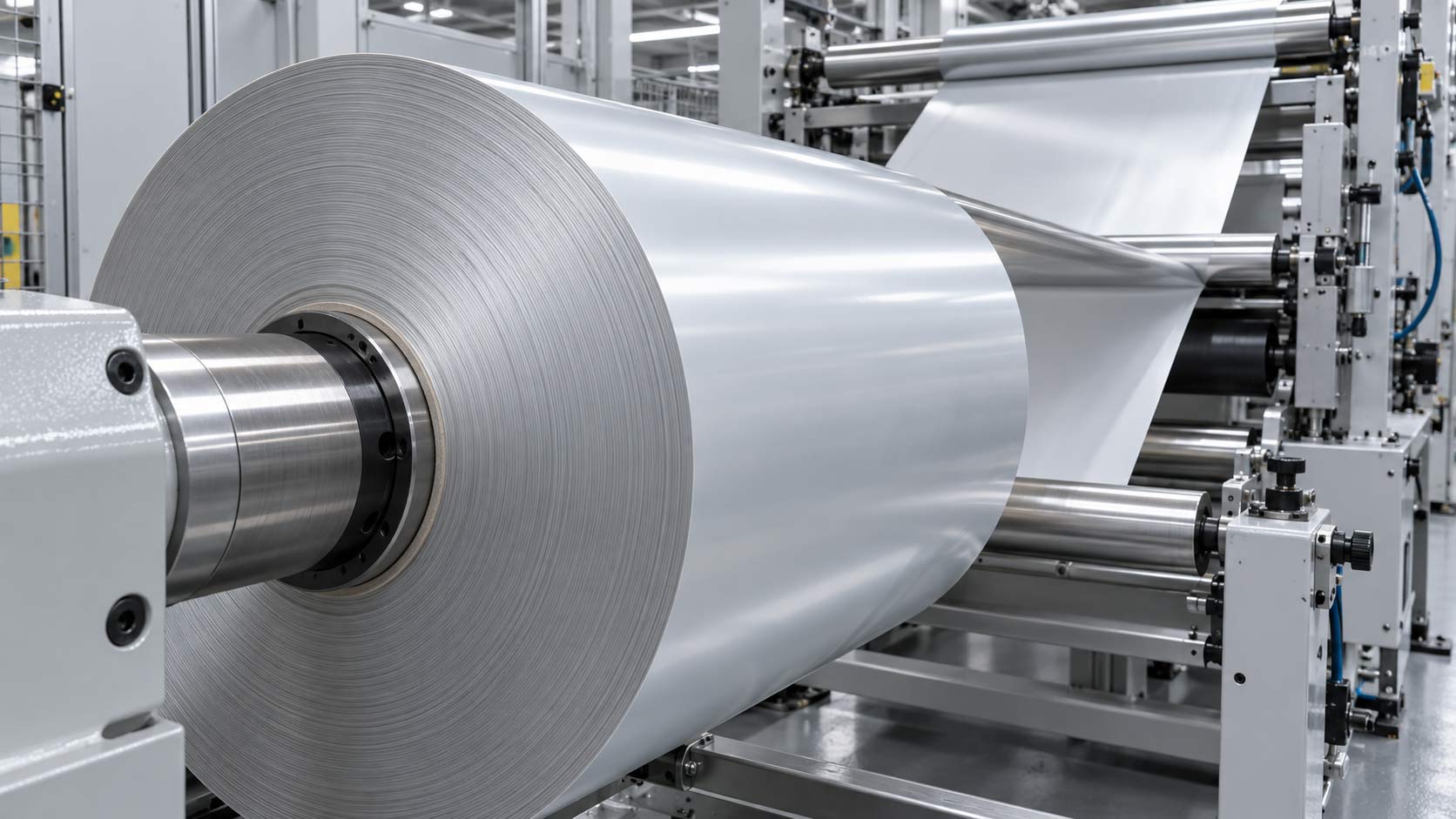
Your Pouches Are Not Warped. The Roll Still Remembers.
A pallet of pouches arrives and they will not sit flat. They cup, or they lean, or the stack fans out instead of squaring up. On the line they feed crooked, the seal bar does not get a flat surface to work with, and somebody says the bags were cut wrong. They were not. A laminate is several films bonded together and wound under tension, and that stack of materials holds a memory of how it was made.
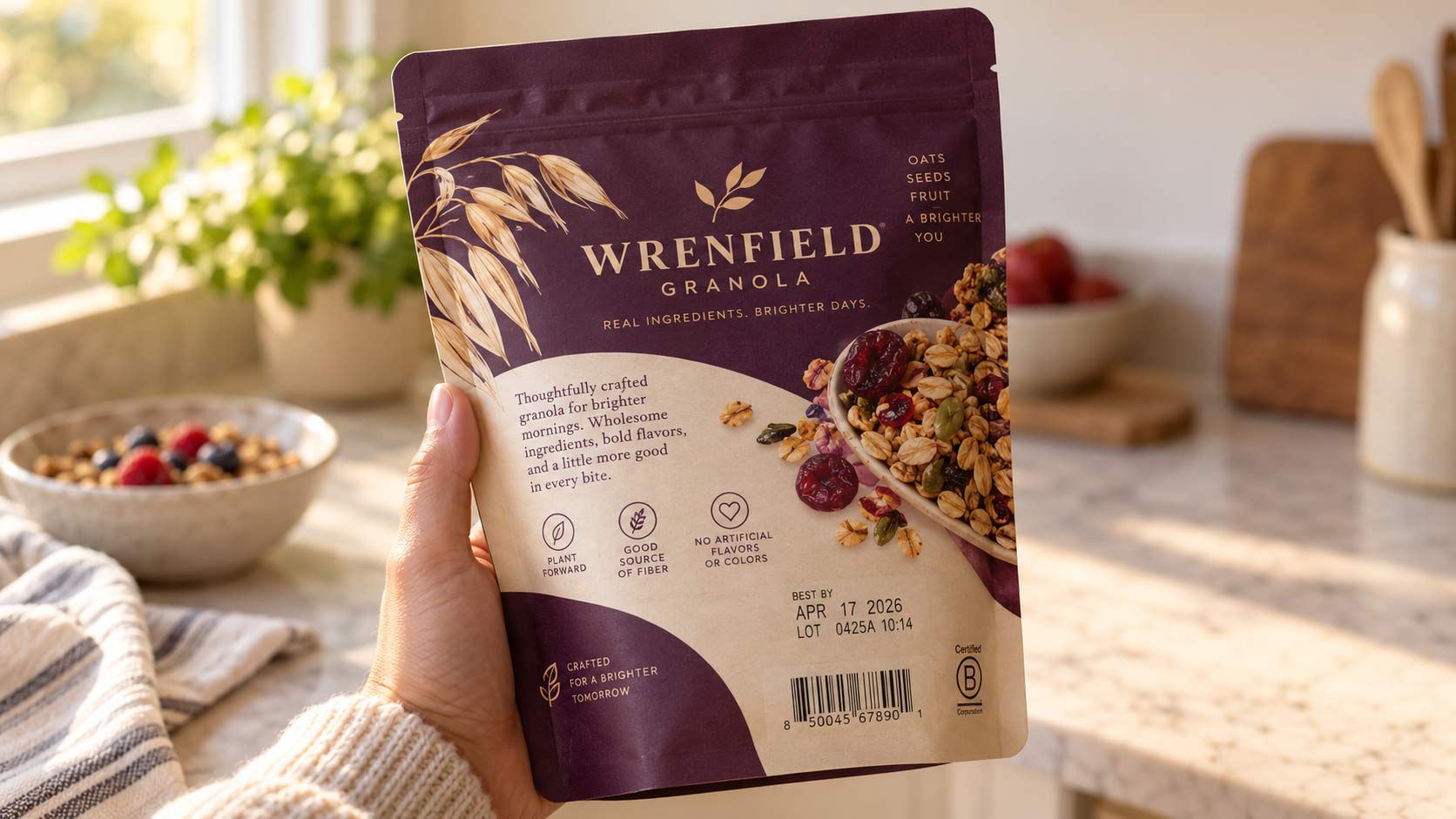
Nobody Measured Your Shelf Life. Somebody Chose It.
Ask a food brand where the date on their pack came from and the answer is usually vague. That is because a shelf life is not something anyone observes and reports. It is a number somebody commits to, and then the packaging either supports it or quietly does not. Understanding which of those you have changes what you do when a customer says it tasted stale before the date.
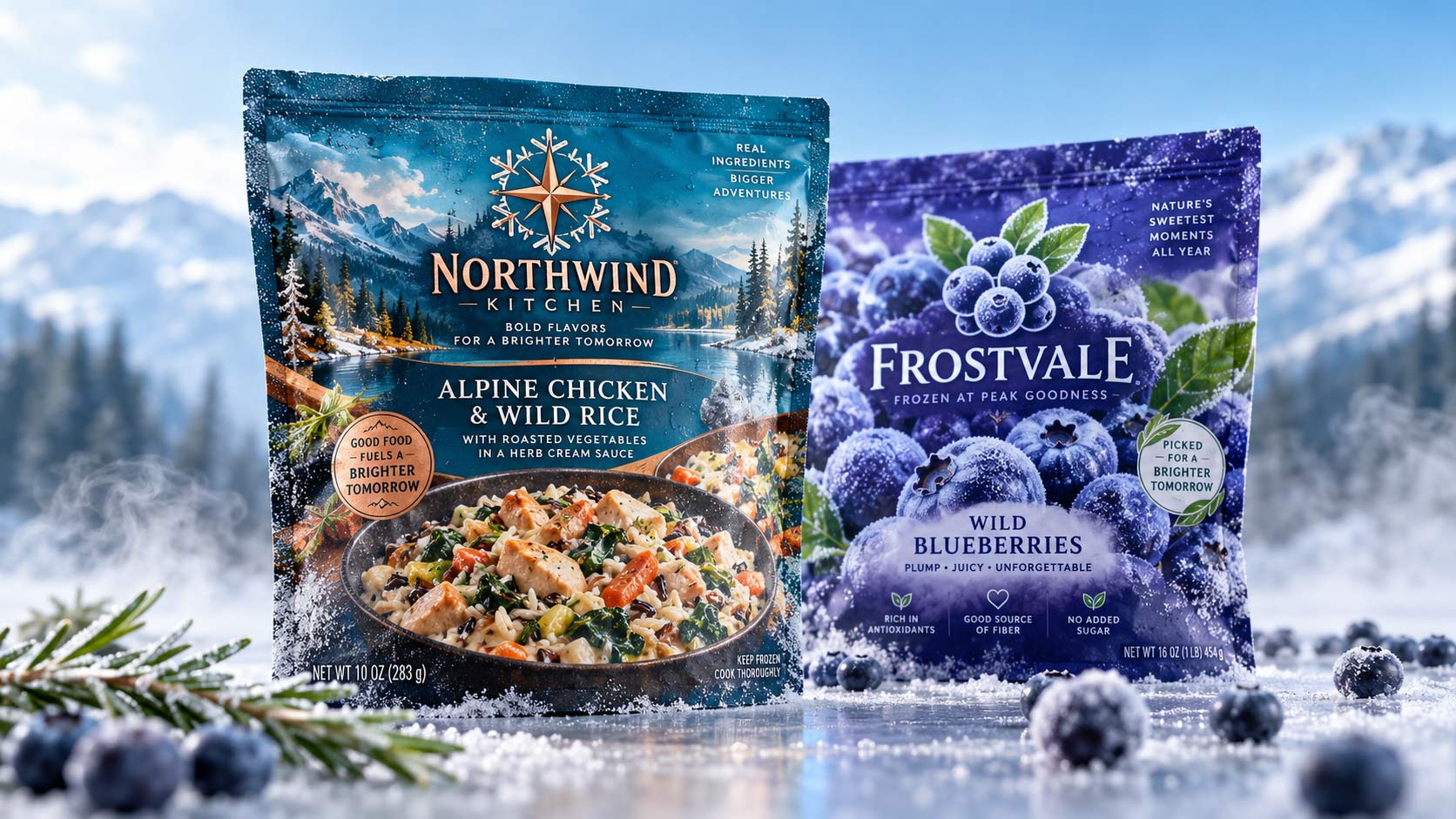
Frozen Food Packaging: Why Freezer Burn Comes From the Food, Not the Air
Freezing a food does not make the packaging job easier. It makes it different. The cold dries food out from the inside, films that feel fine on the shelf turn brittle and crack in the freezer, and the whole package gets wet again the moment it thaws. This guide covers frozen food packaging in plain language: what freezer burn really is and how to stop it, why the film has to stay flexible in the cold, the seal that has to hold frozen and survive the thaw, and the formats that work in the freezer aisle.
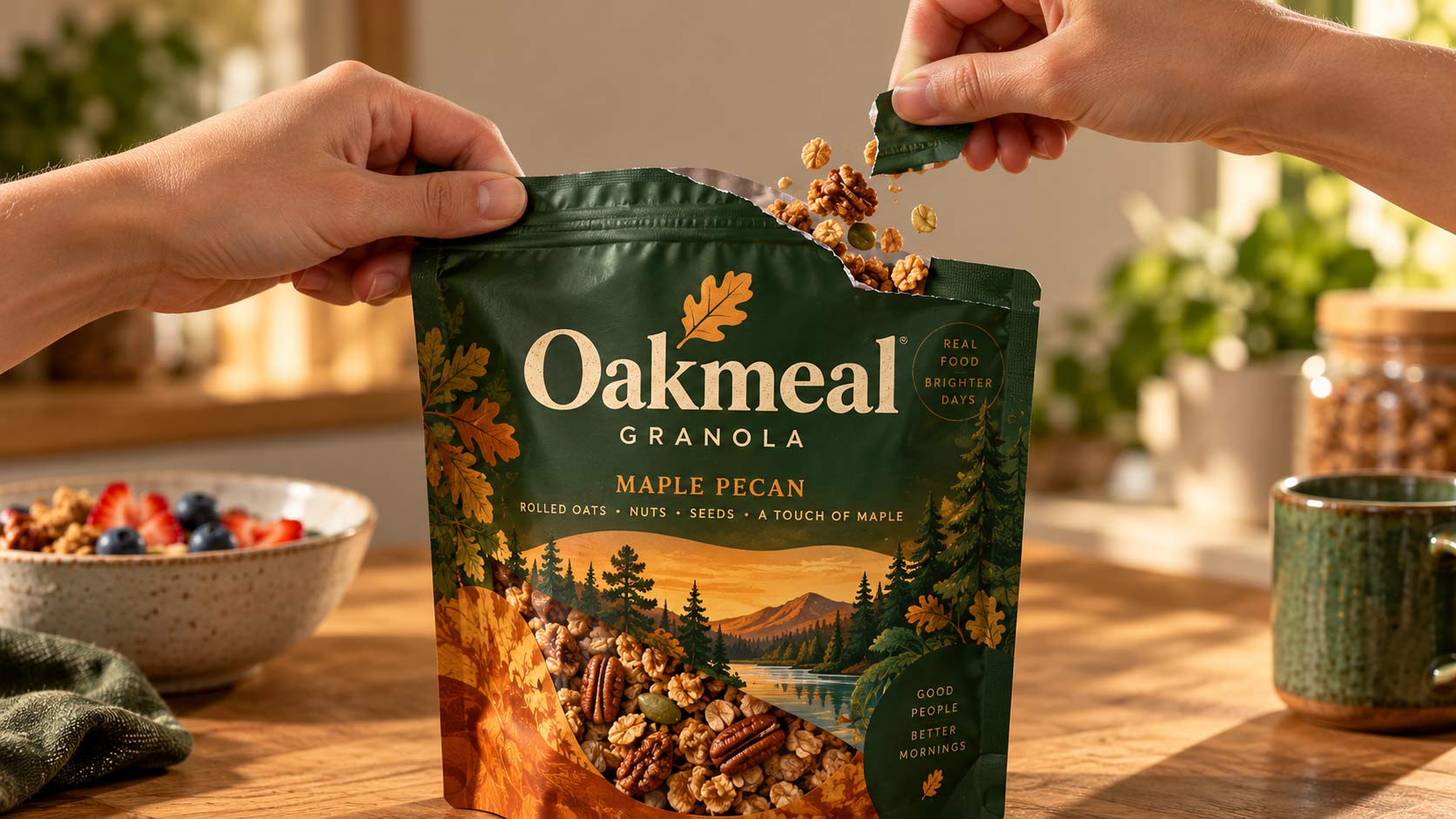
The Tear Goes Sideways Because Film Has a Grain
A customer pulls the tear notch and the tear curves down into the bag instead of running across it. Product everywhere, and a one star review about cheap packaging. The notch is usually fine. Packaging film is oriented during manufacture, so it tears cleanly in one direction and fights you in the other, and a notch placed against that grain will never give a straight tear no matter how well it is cut.
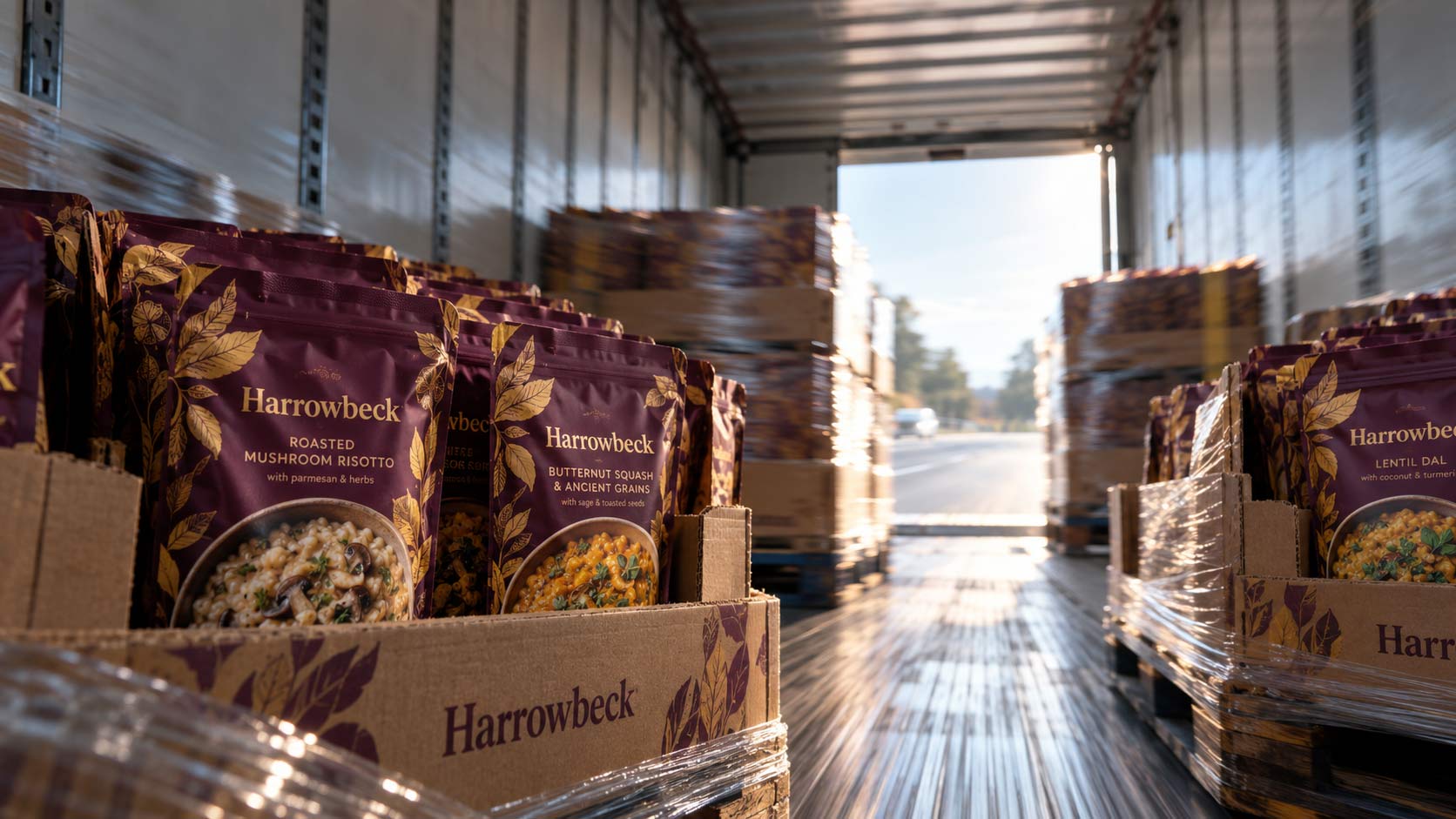
Your Barrier Was Fine. The Truck Put Holes In It.
A high barrier pouch leaves your plant testing perfectly and arrives looking perfect. Weeks later the product inside is stale, and everyone starts questioning the film spec. Often the spec was right and the bag was fine when it shipped. Repeated flexing on the road fatigues the barrier layer and opens pinholes too small to see, usually along the folds. The bag still holds your product. It just stopped keeping air out.
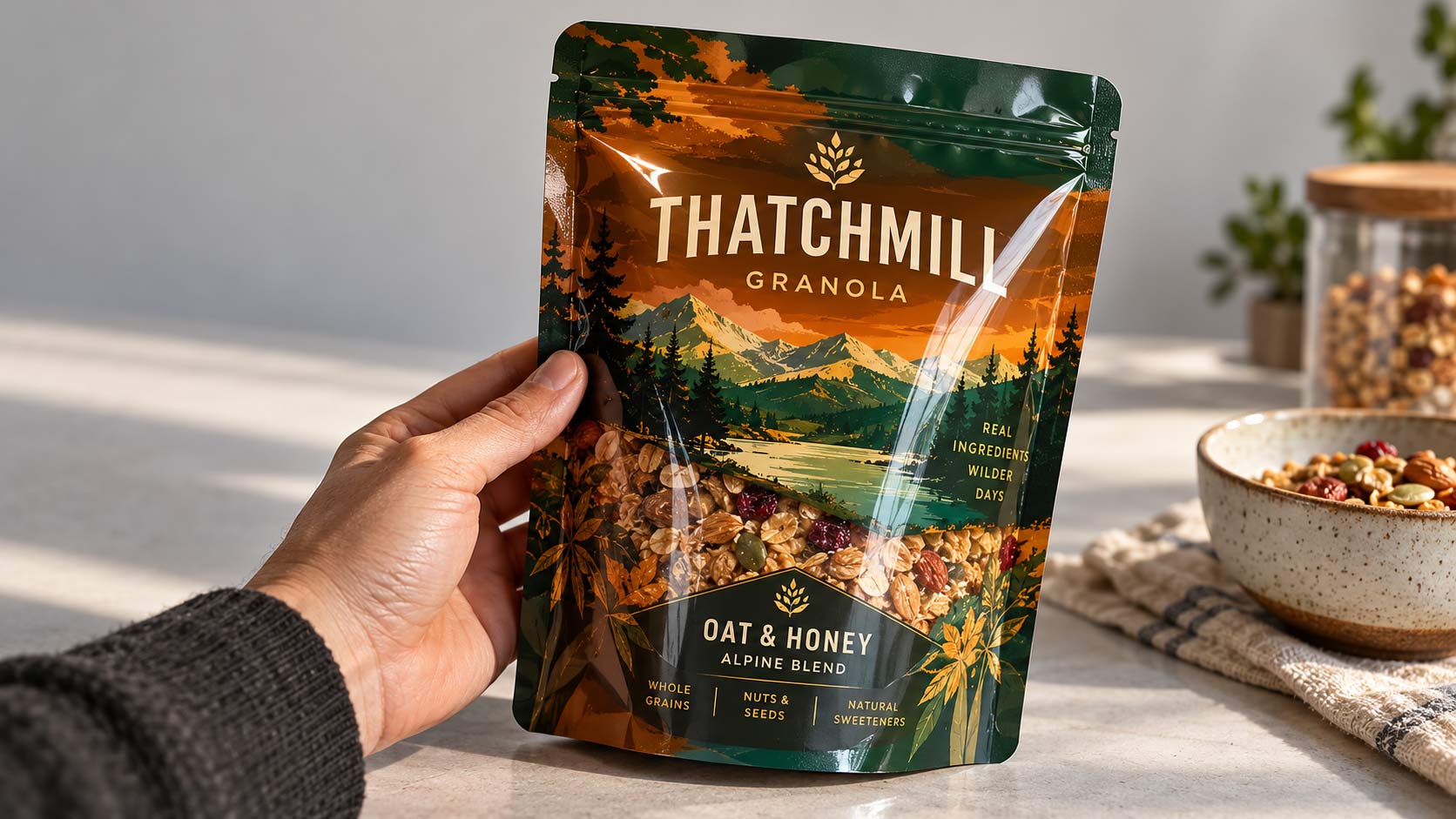
Your Printed Pouch Is Not Printed on the Outside
People assume the artwork on a food pouch sits on the surface, the way ink sits on a cereal box. On most laminated pouches it does not. The ink is printed on the underside of the outer film and then buried between two layers, which is why it cannot scratch off, cannot touch your product, and looks glossier than anything you could print on top. Knowing which of your bags are built that way changes what you worry about.
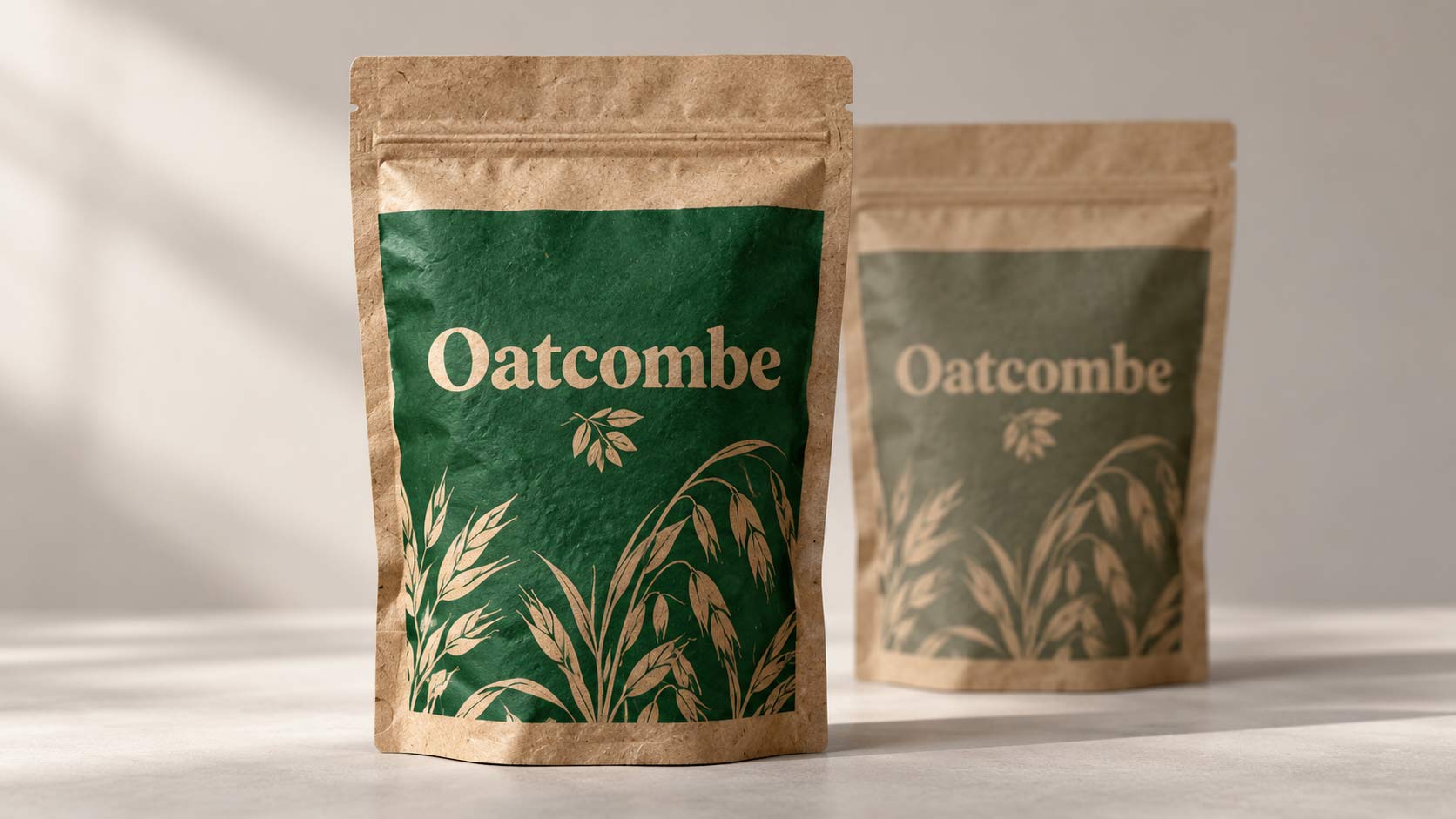
Why Your White Logo Prints Dirty on a Kraft Bag
You approved crisp white artwork on a screen, and the kraft bags arrived with a logo the color of old paper. Nobody made a mistake at the press. Printing ink is translucent by design, so on a brown bag the brown is still there underneath every color you print. Once you know that, kraft becomes one of the easiest materials to design for instead of the most frustrating.
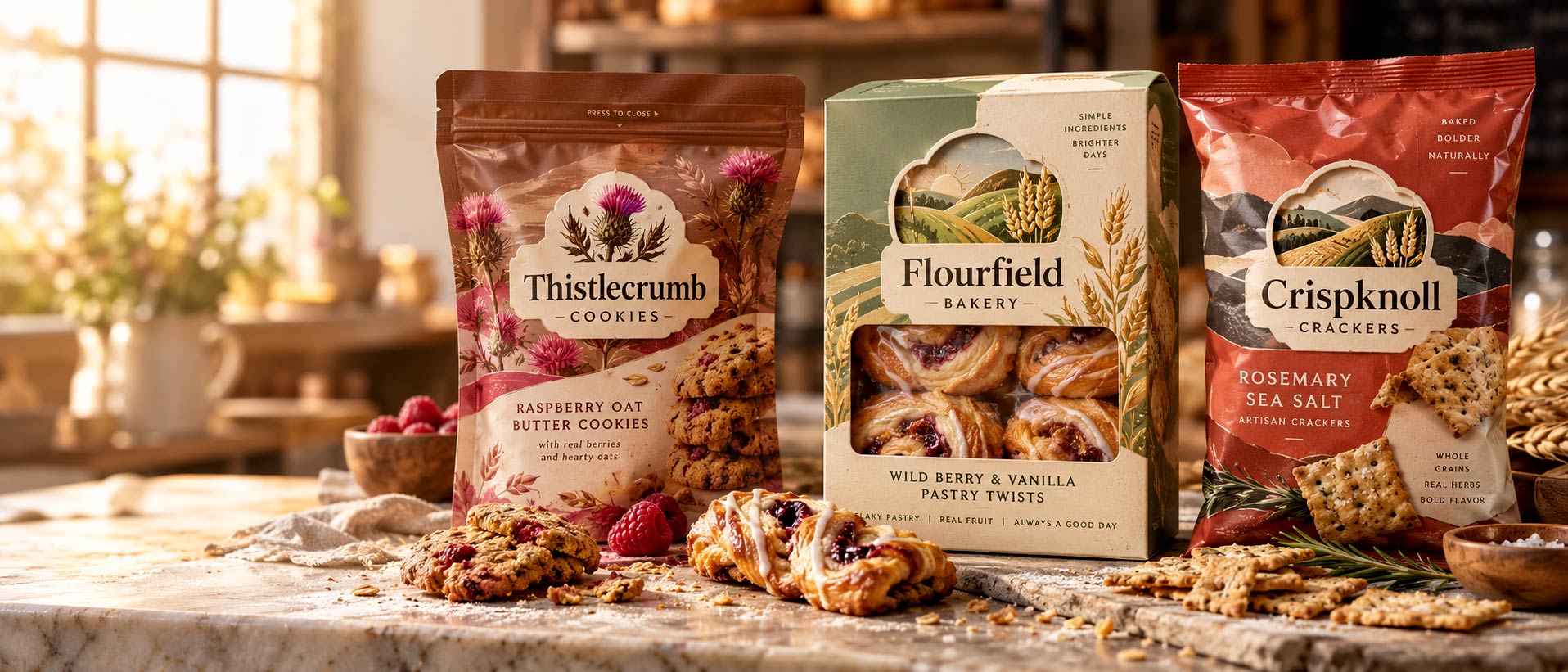
Cookie and Bakery Packaging: How to Keep Baked Goods Fresh, Whole, and on the Shelf
Baked goods are some of the hardest products to package well. They go stale fast, they crush easily, they stain their own bags with butter, and they sell almost entirely on how they look. The right package has to solve all four at once, and the trick is that crisp and soft want opposite things.
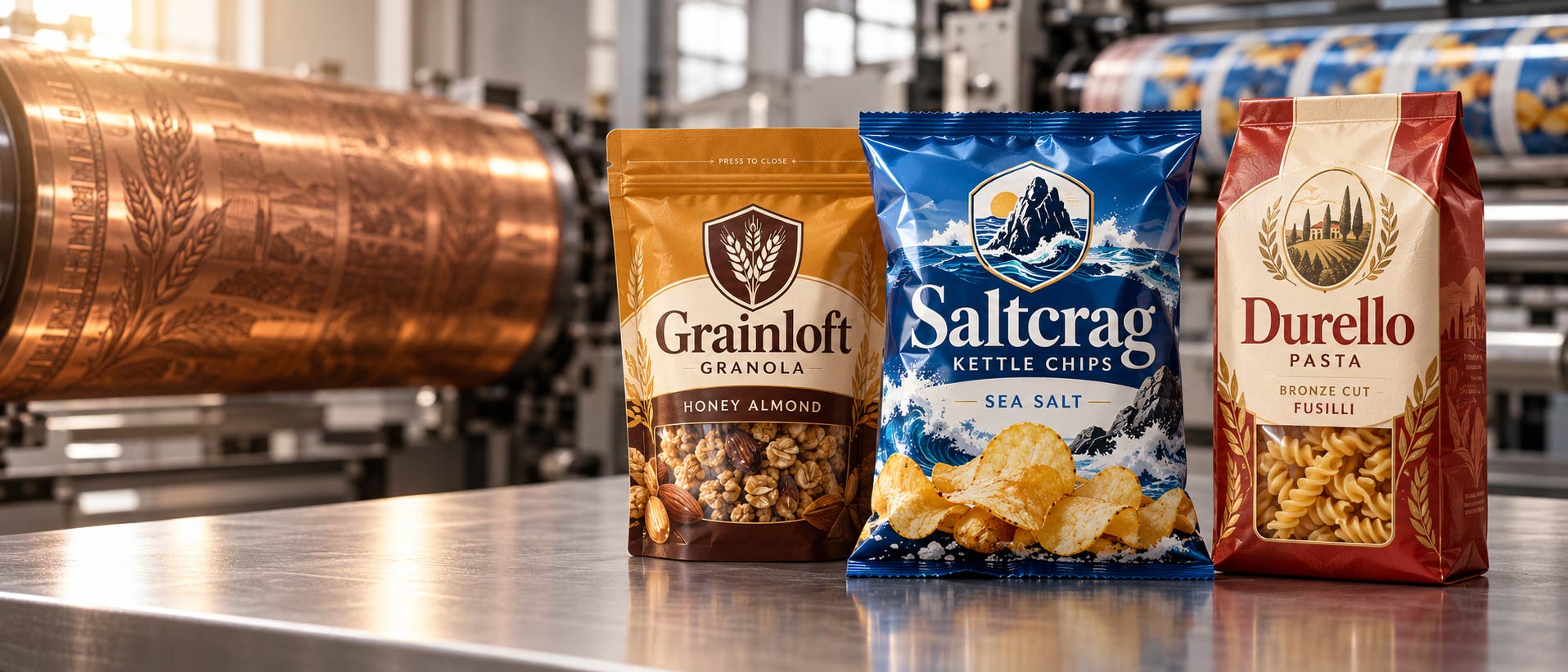
Digital or Rotogravure? The Printing Choice Behind Every Food Bag
Every food bag on a shelf was printed one of two ways, and the method was chosen long before the artwork was. A shopper cannot tell digital from rotogravure by looking. The difference is in how many bags you have to buy, how fast you get them, and how easily you can change the design later.
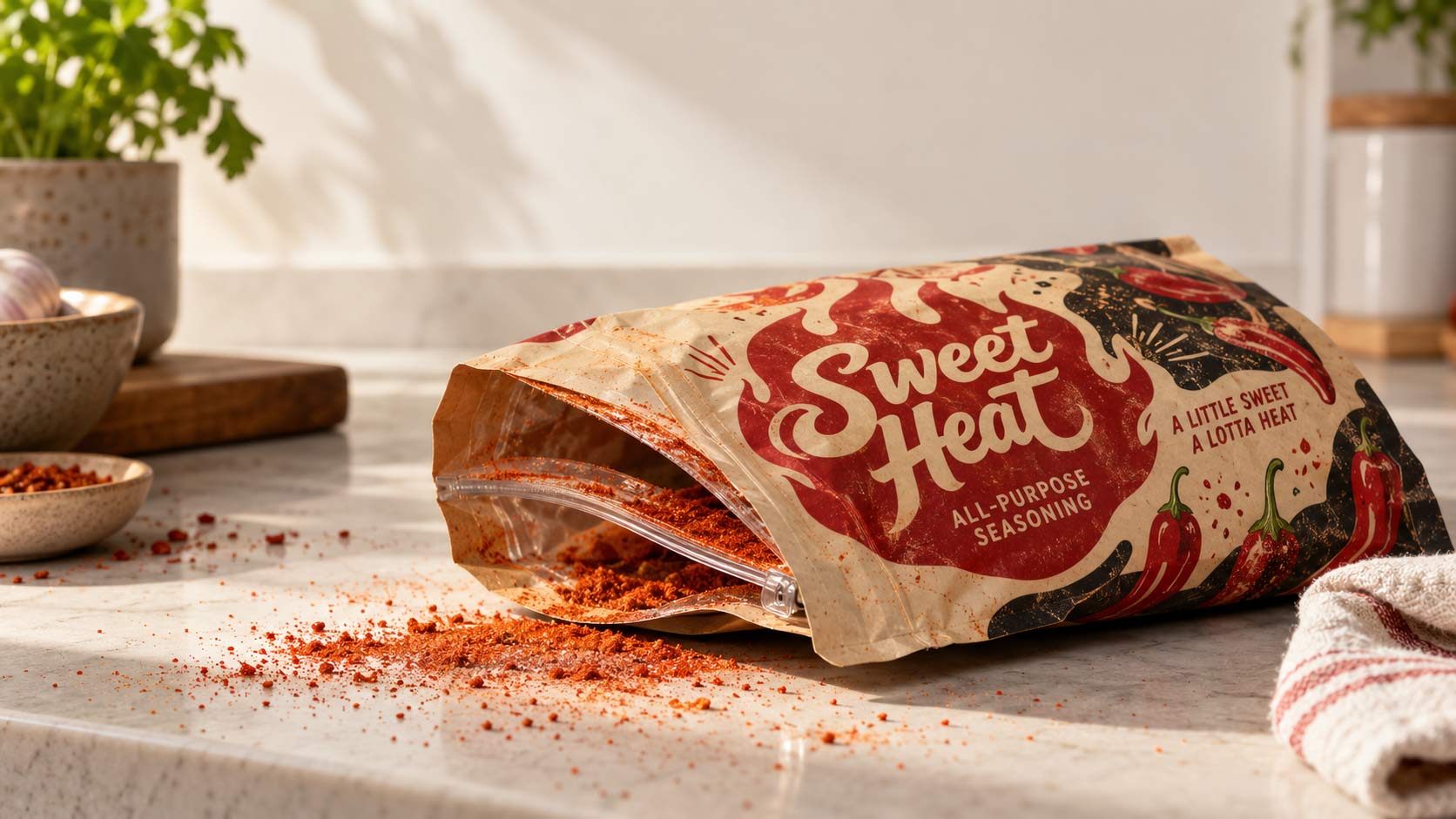
Your Zipper Stopped Working, and the Product Is Why
A customer opens your bag, uses half of it, and the zipper never closes properly again. They decide you bought a cheap zipper. You probably did not. You put a press-to-close zipper on a product that defeats it, and there is a specific closure that fixes it.
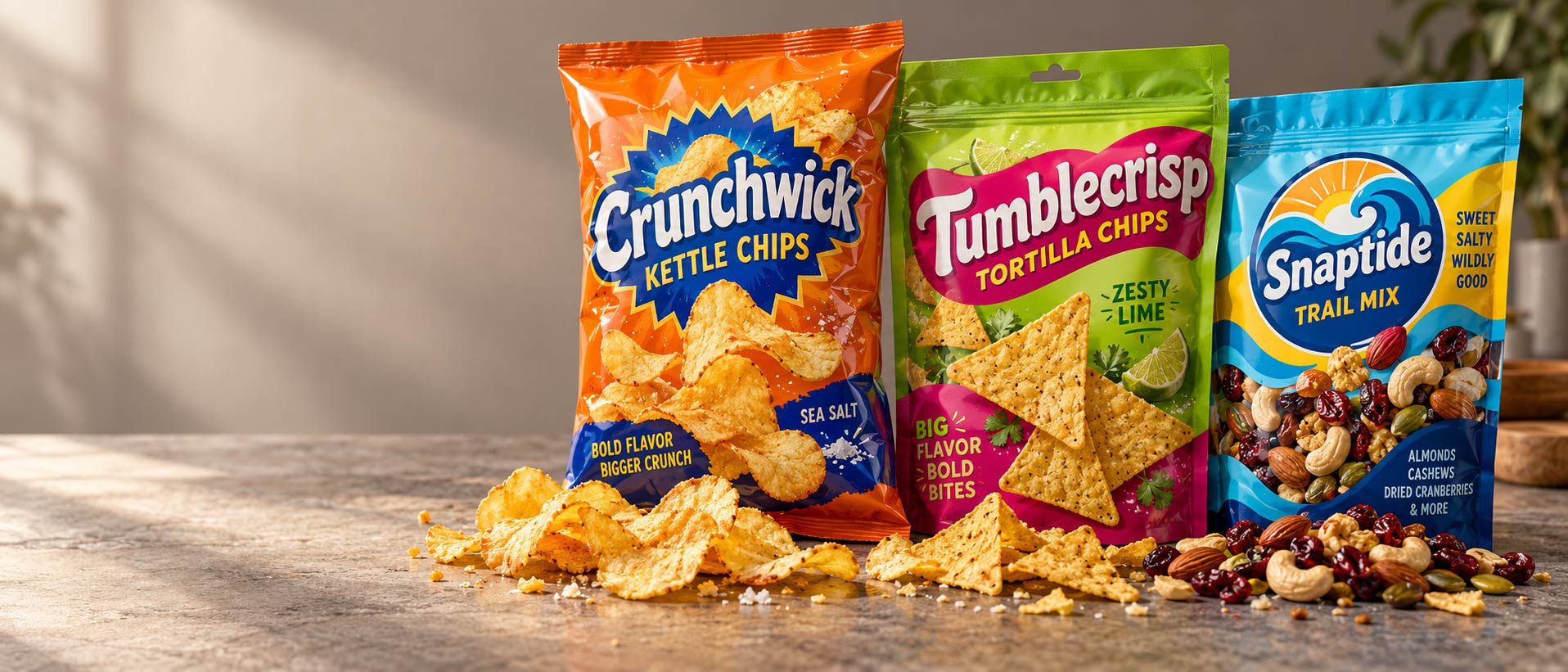
Snack and Chip Packaging: How the Right Bag Keeps the Crunch In
A chip is mostly air, oil, and crunch, and all three are easy to lose. Oxygen turns the oil stale, humidity softens the bite, light fades the flavor, and a rough trip to the store turns whole chips into crumbs. This guide covers snack packaging in plain language: what actually ruins a snack, why chip bags are puffed full of nitrogen, the barrier films that hold that protection in, which bag formats fit which snacks, and the details that keep a snack fresh from the first handful to the last.
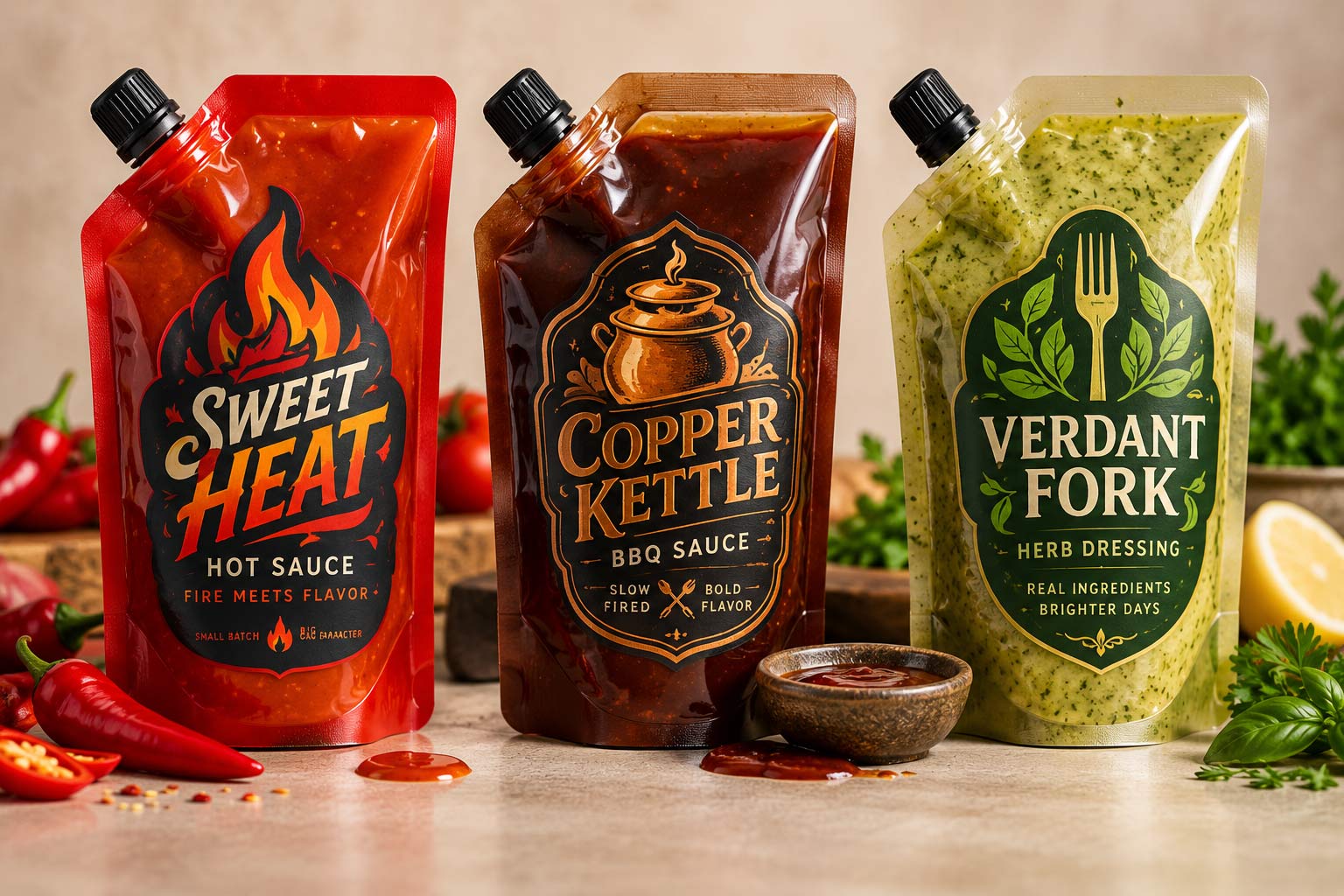
Sauce and Condiment Packaging: Spouted Pouches, Barrier, and Clean Pours
Sauces and condiments break most of the rules that dry-food packaging plays by. They are wet, often acidic or oily, sometimes filled hot, and they have to pour or squeeze out cleanly without making a mess. This guide covers sauce and condiment packaging in plain language: the spouted pouches and caps that make dispensing easy, the barrier and liner choices that stand up to acidic and oily contents, the difference between hot-fill and cold-fill, and how to keep a wet product fresh and leak-free from the line to the last squeeze.
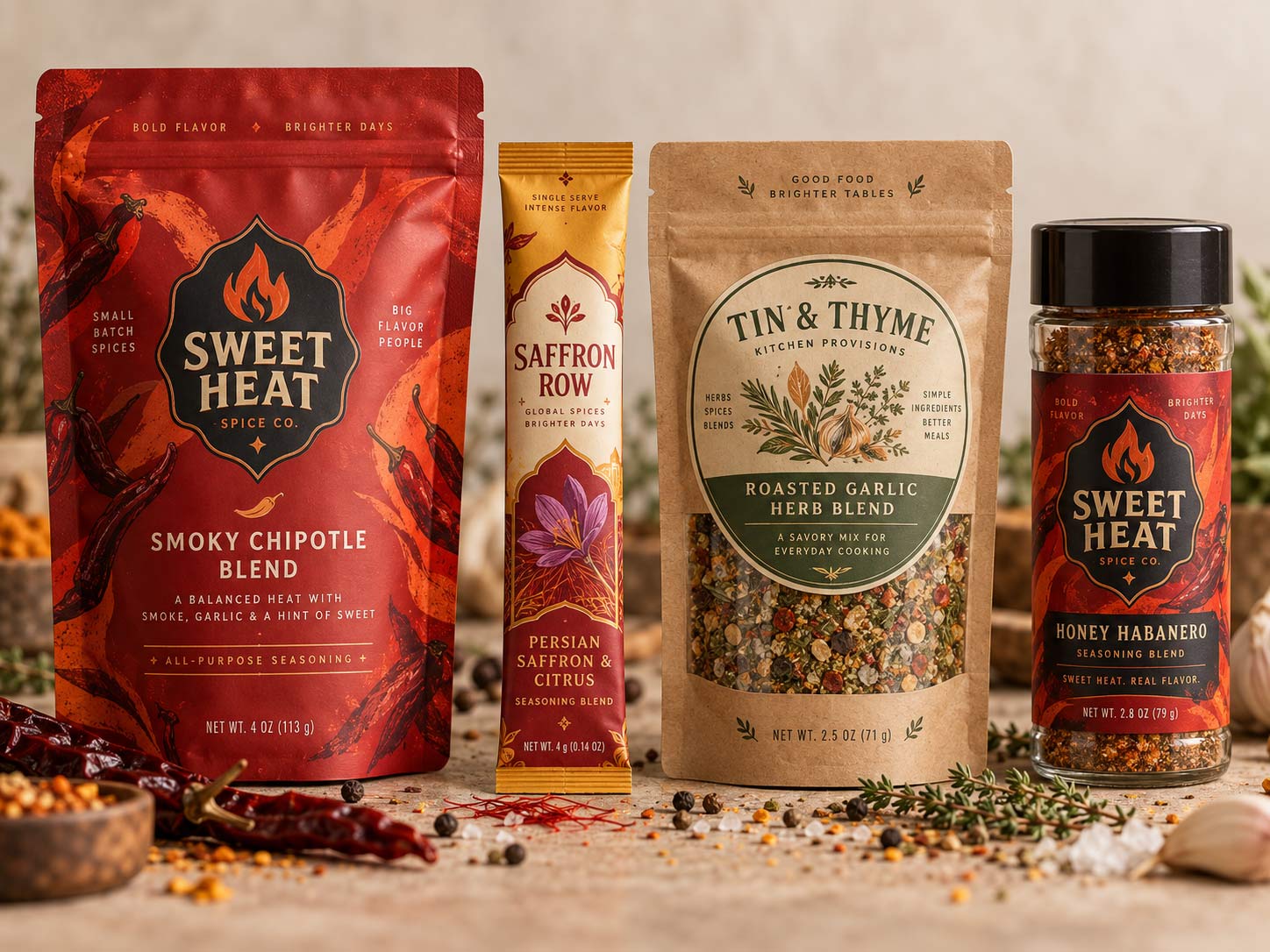
Spice and Seasoning Packaging: Bags, Stick Packs, and Jars That Keep Flavor In
Spices are small, valuable, and more fragile than they look. Light, air, and moisture quietly pull the color and punch out of a blend, and the package is the only thing standing in the way. This guide covers spice and seasoning packaging in plain language: the formats that fit everything from a single-use stick pack to a refill pouch, the barrier that keeps flavor and color locked in, how to handle oily and clumping blends, and how to make a small spice bag look premium on a crowded shelf.
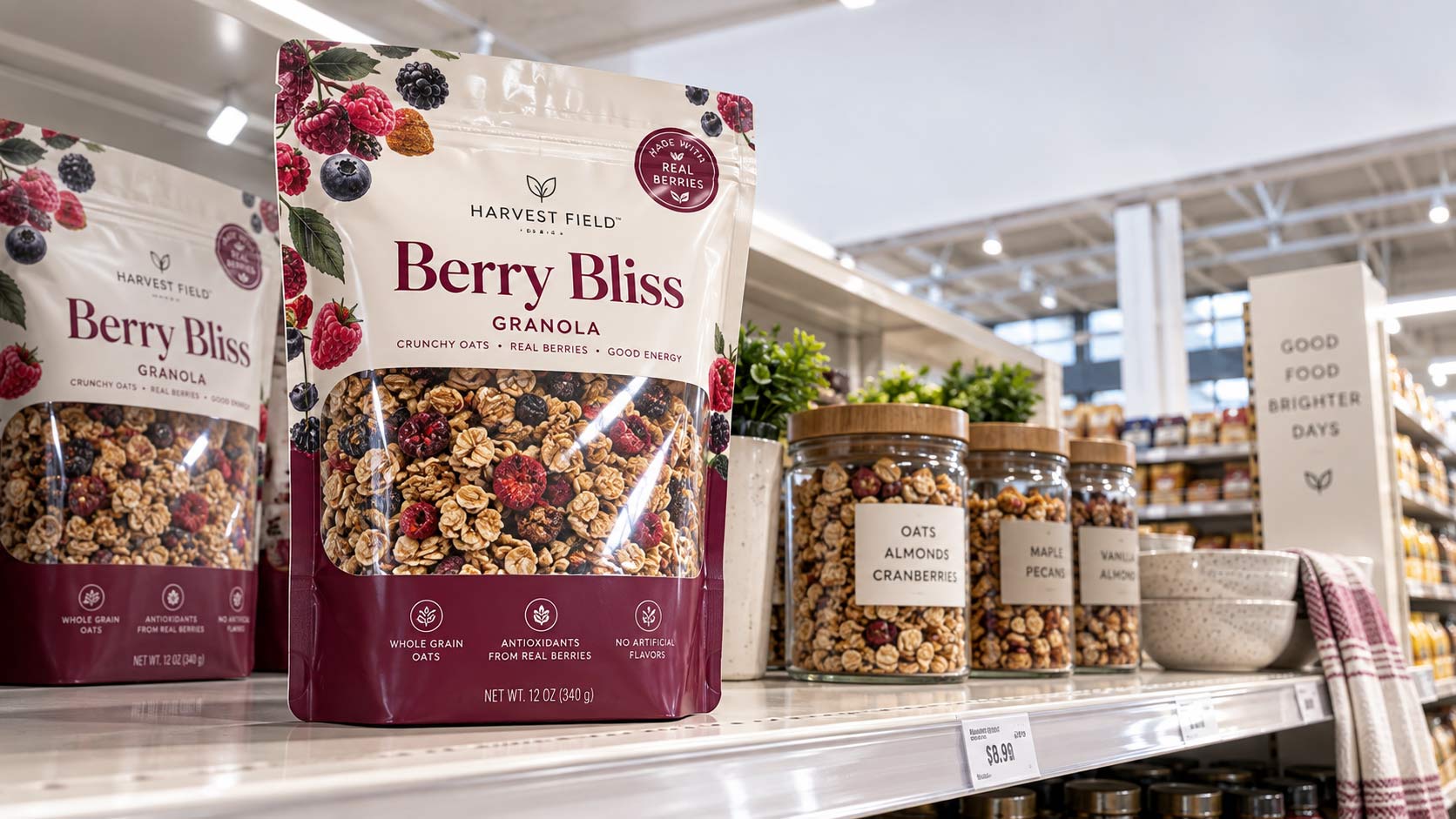
Your Clear Window Is Selling the Product and Shortening Its Life
A window on a food pouch is the cheapest way to make a shopper trust what is inside, and it is also a hole in your light barrier. Light breaks down fats, pigments and vitamins, so the same window that sells the bag is quietly aging the food behind it. Here is how to decide whether your product can afford one.
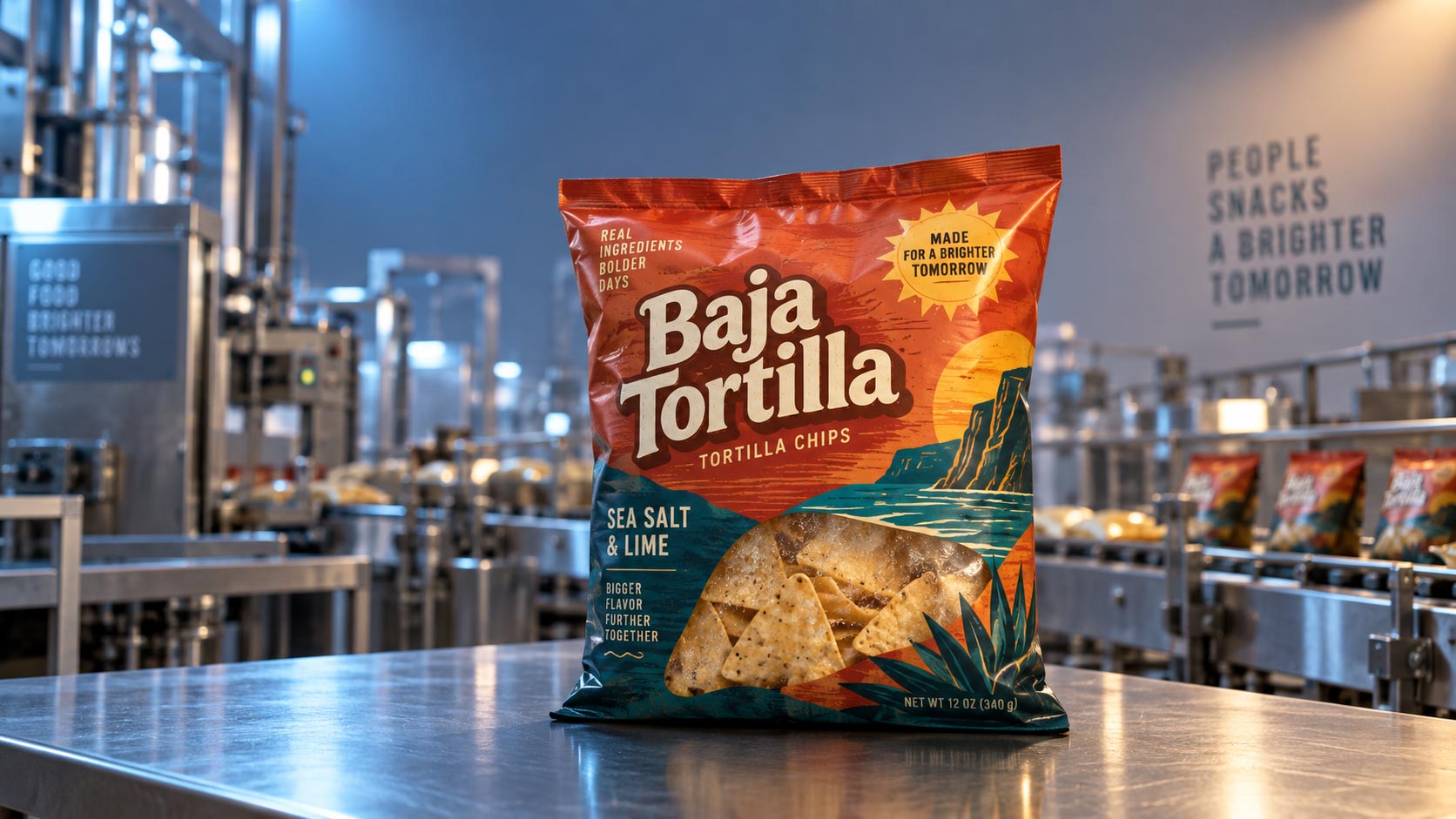
Why Snacks Go Soft in the Bag, and Why a Better Barrier Can Make It Worse
A crisp product that turns soft in the bag looks like a packaging failure, and most brands respond by buying a higher barrier film. Sometimes that fixes it. Sometimes it makes the problem worse, because the water was already inside the bag when it was sealed. Here is how to tell the difference before you spend money on the wrong fix.
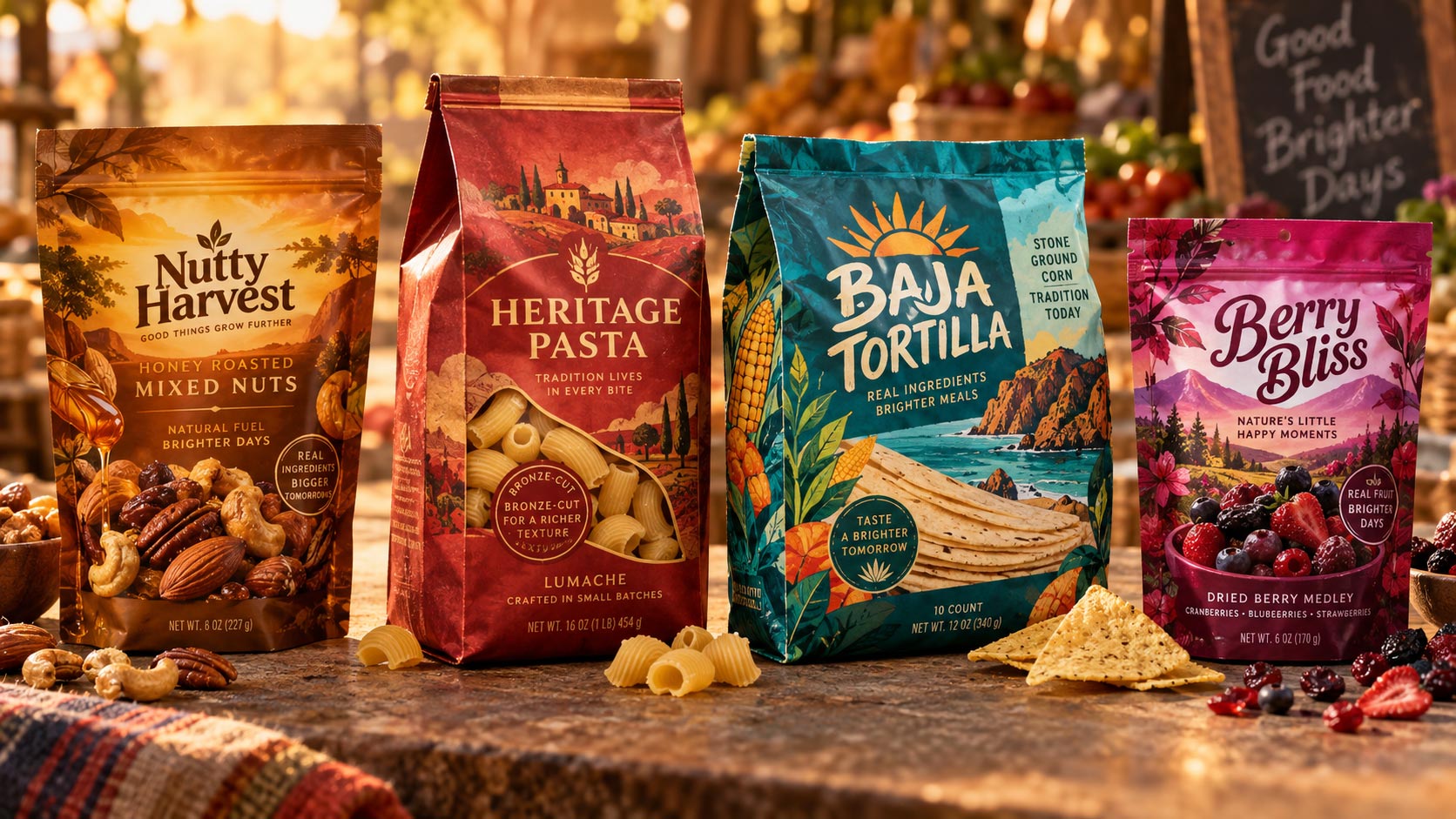
Food Packaging Formats Explained: Stand-Up, Flat-Bottom, Side-Gusset, and Pillow
The shape of your bag is the first decision that shows on the shelf. This guide walks through the main food packaging formats, from stand-up and flat-bottom to side-gusset and pillow pouches, so you can match the right shape to your product, your budget, and the way people shop.
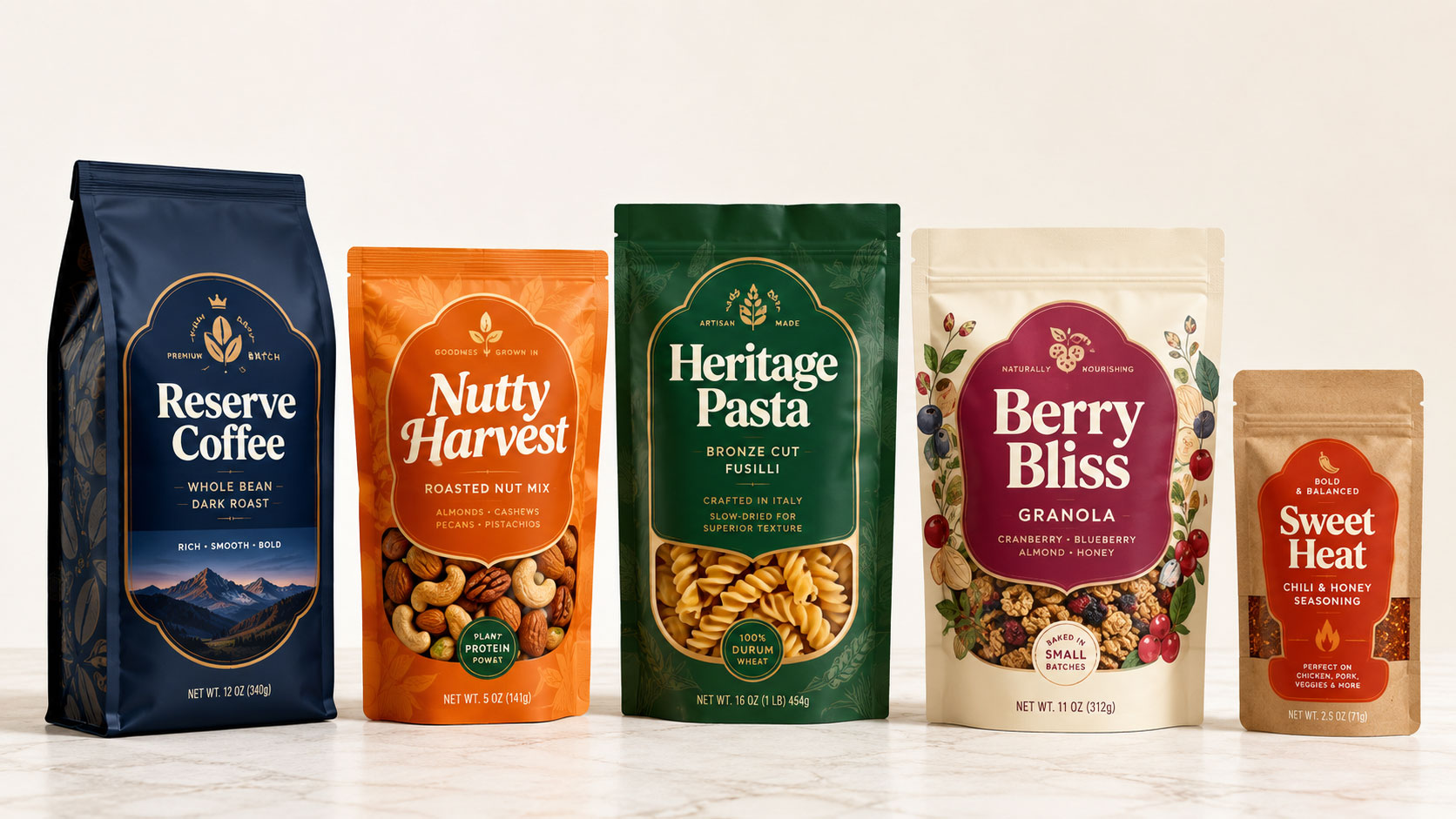
How to Choose the Right Packaging for Your Food Brand
Choosing food packaging can feel overwhelming, with dozens of bag styles, materials, and printing choices to weigh. This guide breaks down how to pick packaging that protects your product, fits the way customers shop, and helps your brand stand out on the shelf.