
Your Metal Detector Keeps Rejecting Good Bags. The Foil Is Why.
The line runs, the bags look perfect, and the metal detector rejects them anyway. Nothing is contaminated. A foil barrier is a sheet of metal wrapped around your food, and a standard metal detector sees it the way it would see a bolt in the product. The fix is a decision about where you inspect and what film you choose, and it is easiest to make before the first pouch is printed.
Overview
The new pouches arrive, the line starts up, and the metal detector starts kicking out bag after bag. You open a few. Nothing is wrong with the food. You run them again and they reject again. It is easy to blame the detector, or worse, to worry that something got into the product.
Usually, neither is true. The detector is doing exactly its job. The problem is that your packaging has metal in it.
This post explains why it happens with so much custom food packaging, and more importantly, what to do about it, because there are three good fixes and the cheapest one is picked before your bags are printed.
Why Does Foil Packaging Set Off a Metal Detector?
Because foil is metal. A high-barrier pouch with an aluminum foil layer has a continuous sheet of metal wrapped around the food, and a standard food-line metal detector cannot tell that sheet apart from a piece of metal hiding in the product.
Most metal detectors on food lines work by sending a signal through the package and watching for anything that disturbs it. Metals that conduct electricity disturb that signal, which is exactly how the detector finds a stray screw or a bit of broken wire. Aluminum foil conducts electricity very well, so a foil pouch disturbs the signal every time. The machine either rejects every bag, or its sensitivity has to be turned down so far that it would miss the contamination it is there to catch.
Neither of those is acceptable when many retailers and food safety audits expect your product to pass through metal detection.
Is Metallized Film the Same Problem?
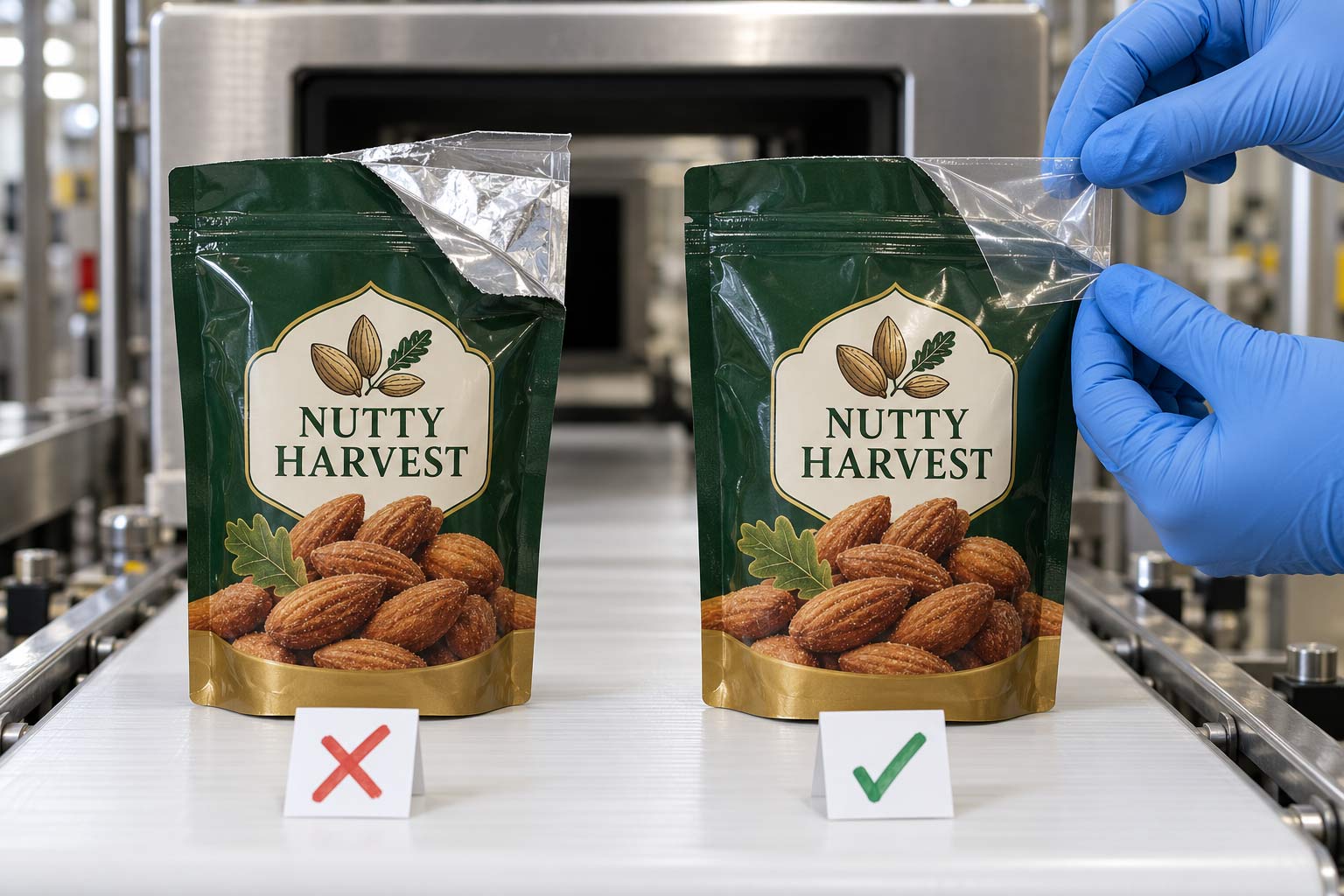
Usually not to the same degree, but test it. Metallized film looks like foil, but the metal is a very thin coating applied to plastic, far thinner than a foil layer. Many detectors can inspect metallized pouches without trouble, while the same detector struggles with foil.
That difference is why the barrier choice matters so much. Here is how the common options usually behave on a standard detector:
- Aluminum foil laminate: the strongest barrier, and the one most likely to interfere with conventional metal detection.
- Metallized film: a good barrier for many dry foods, and often workable on a standard detector, but confirm it on your own machine.
- EVOH or other clear high-barrier films: no metal layer at all, so they do not interfere with metal detection.
Every detector, product and line is a little different, which is why the honest answer is always to test before you order a full run.
How Do You Fix It? Three Options That Work
Once you know the cause, the fix is a choice between changing where you inspect, changing the film, or changing the inspection method.
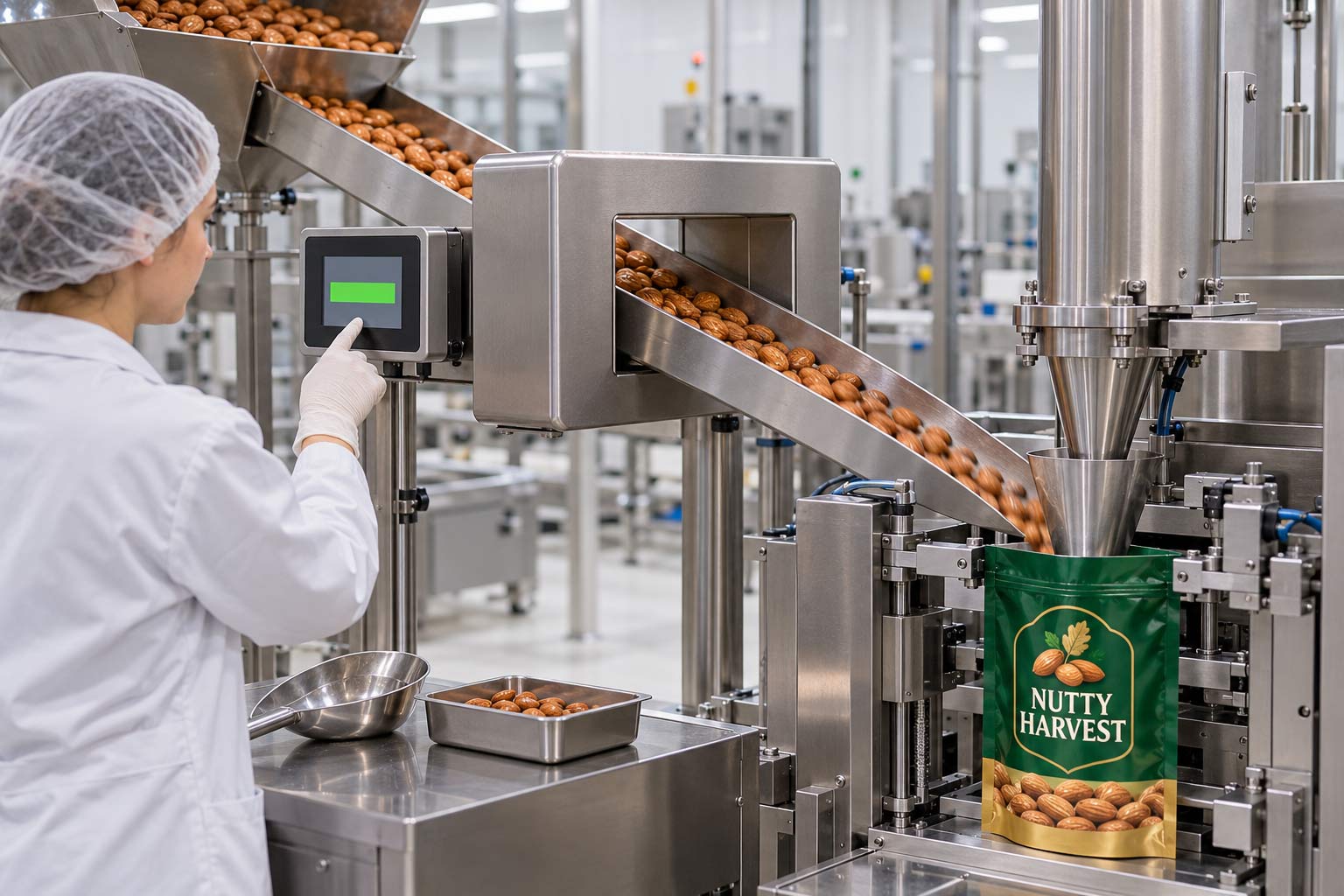
1. Inspect the food before it goes into the bag. A metal detector placed before the filler checks the loose product as it flows to the bagger, so the packaging never gets in the way. This lets you keep a foil barrier if your product truly needs it. The catch is that it cannot catch anything that gets in during or after filling, so many plants pair it with good controls at the filler.
2. Choose a barrier film your detector can see through. If your shelf life does not demand foil, a metallized film or a clear high-barrier film like EVOH can give you the protection you need without blinding the detector. This is often the simplest fix, and it is easiest to do before artwork is final, because the film affects the look of the bag.
3. Switch to X-ray inspection for foil packs. X-ray inspection looks for differences in density instead of metal, so a foil layer does not hide contamination from it. It also catches things a metal detector cannot, like glass, stone and bone. It is a bigger investment, so it usually makes sense for larger lines or products that need foil.
You may also hear about detectors built to find iron-based metals through foil. They can help, but they do not reliably find stainless steel or non-ferrous metals, so check with your food safety advisor before relying on one alone.
How Do I Choose Before I Order?
Make the inspection decision first, then pick the film. It is a lot cheaper to match the bag to your line than to rebuild the line around the bag.
- Ask how your product is inspected today, or how your co-packer inspects it, and where on the line that happens.
- Decide how much barrier you really need. Our post on how shelf life is actually decided walks through that question honestly.
- Run sample pouches through your own detector before committing to a full order, filled with real product.
- Keep the decision in writing so the next reorder does not quietly switch to a different film.
How Savor Brands Handles This
We would much rather solve this at the quote stage than after your pouches are sitting next to a detector that will not let them through.
- We ask how you inspect. Metal detection, X-ray, or inspection before packing changes which films make sense.
- We match the barrier to the product, not the other way around. Foil, metallized film and clear high-barrier options each suit different foods and shelf lives.
- We help you test. Sample pouches can go through your own line before a full run is printed, and short runs on digital printing make it practical to try a new film before you commit to volume on rotogravure.
- We keep the film consistent on reorders, so a pouch that passed inspection keeps passing it.
Wrapping It Up: The Detector Is Not Broken
A metal detector that rejects every foil bag is not broken and your food is not contaminated. It is seeing the metal you wrapped the product in. Inspect before packing, choose a film the detector can see through, or move foil packs to X-ray, and decide which one before the bags are printed.
If you are planning a new pouch or rethinking an old one, tell us how your line inspects and we will help you choose a barrier that protects the food and still passes the detector. For other ways a good barrier can fail in practice, see why the truck puts holes in a good barrier and why your clear window shortens shelf life.

Ready to Create Packaging That Elevates Your Brand?
Let's bring your product to life on the shelf.
Get a Free Quote