Your Clear Window Is Selling the Product and Shortening Its Life
A window on a food pouch is the cheapest way to make a shopper trust what is inside, and it is also a hole in your light barrier. Light breaks down fats, pigments and vitamins, so the same window that sells the bag is quietly aging the food behind it. Here is how to decide whether your product can afford one.
Overview
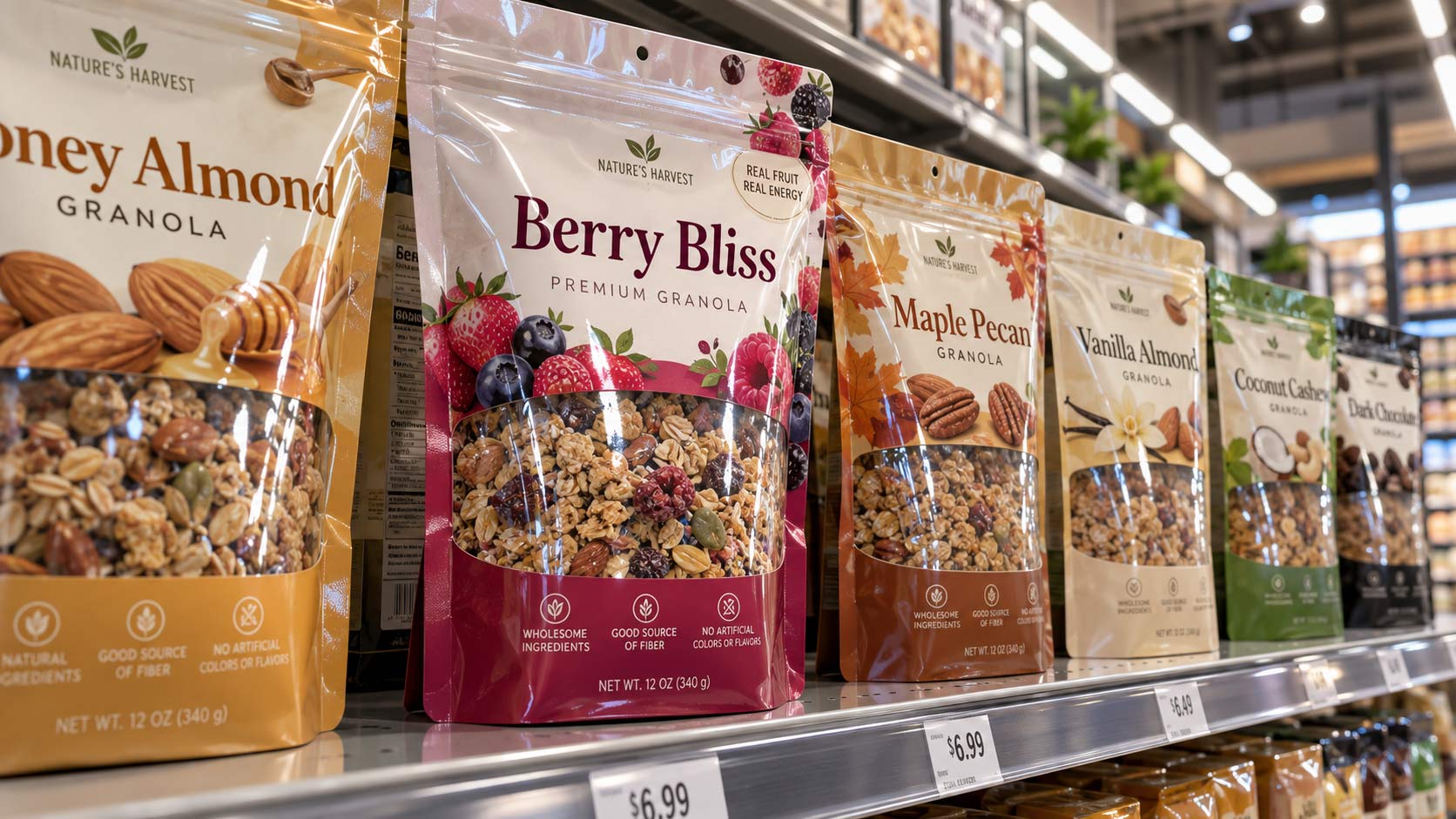
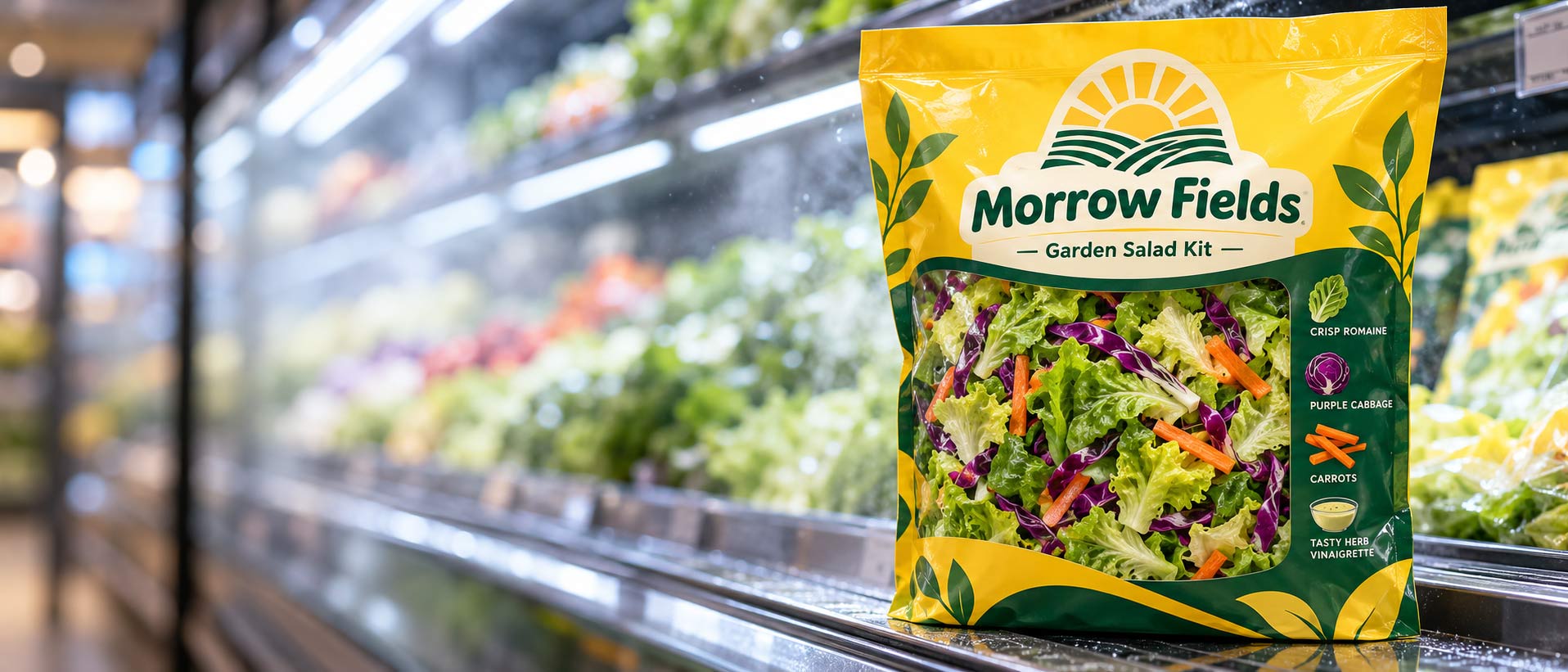
Shoppers trust what they can see. A window on a food pouch lets someone check the size of the almonds, the color of the granola, or how much is actually in the bag, and it closes the sale faster than any claim printed on the front. It is one of the most effective things you can add to a package.
It is also the one part of your bag that does not protect the food. This guide explains what a window really costs you, why upgrading your barrier film does not make up for it, which products should never have one, and how to keep a window on the products that can afford it.
A Window Is a Hole in the Barrier
The rest of your pouch is built in layers, and one of those layers exists to block light. A window skips it. Wherever the clear panel sits, the food behind it is exposed to whatever light is falling on the shelf, for as long as the bag sits there.
That is easy to underestimate because light does not feel like a threat the way heat or moisture does. Nothing looks wrong. A bag under store lighting for three weeks shows no visible change to the packaging at all, while the product inside has been absorbing light energy the entire time.
What Light Actually Does to Food
Light is not just brightness. It carries energy, and that energy drives chemical reactions in food that would otherwise happen far more slowly.
- Fats and oils oxidize, which is what produces the stale, flat, cardboard taste people describe in old nuts and chips. Light accelerates this dramatically.
- Pigments fade, so the red in dried strawberries, the green in herbs and the deep brown in chocolate all wash out toward a duller version of themselves.
- Vitamins degrade, particularly A, D, riboflavin and C, which matters if you make any nutritional claim on the label.
- Aromatics break down, so spices and coffee lose the top notes first, which are the ones customers notice.
The products that suffer most are the ones with the highest fat content and the most delicate color, which is an unfortunate overlap with the products shoppers most want to look at.
Why a Better Barrier Film Does Not Fix It
This is where brands lose money. Product starts tasting flat before the date on the bag, so the brand asks for a higher barrier film on the next run.
That upgrade is almost always aimed at oxygen and moisture. Those are real threats and the film will handle them better. It does nothing about light, because the light is not coming through the film. It is coming through the window you asked to keep.
So the second run costs more, performs the same, and the brand concludes that barrier film is a scam. Nothing was wrong with the film. The problem was never in the part of the bag they changed. If you are working through material choices, our custom food and product packaging team can walk you through which threat each layer is actually solving.
Products That Should Think Twice
Not every food is equally vulnerable, and knowing where your product falls makes this an easy call rather than a guess.
- High fat foods like nuts, seeds, nut butters, chips, granola with oil and anything fried are the most light sensitive things you can put in a bag.
- Ground spices, dried herbs and chili powders lose color and aroma fast, and color is most of what the customer is buying.
- Freeze dried fruit and anything with bright natural pigment fades visibly, which undercuts the premium look you paid for.
- Chocolate and coated products both fade and develop off flavors from fat oxidation.
- Dry, low fat, low pigment goods like pasta, rice, grains, sugar and salt are genuinely fine behind a window.
That last group is worth noting, because it is where windows do their best work. Nobody needs a light barrier on a bag of rigatoni, and seeing the shape is exactly what the shopper wants.
How to Keep a Window and Limit the Damage
If the window is doing real selling work, you do not have to give it up. You can shrink the exposure instead.
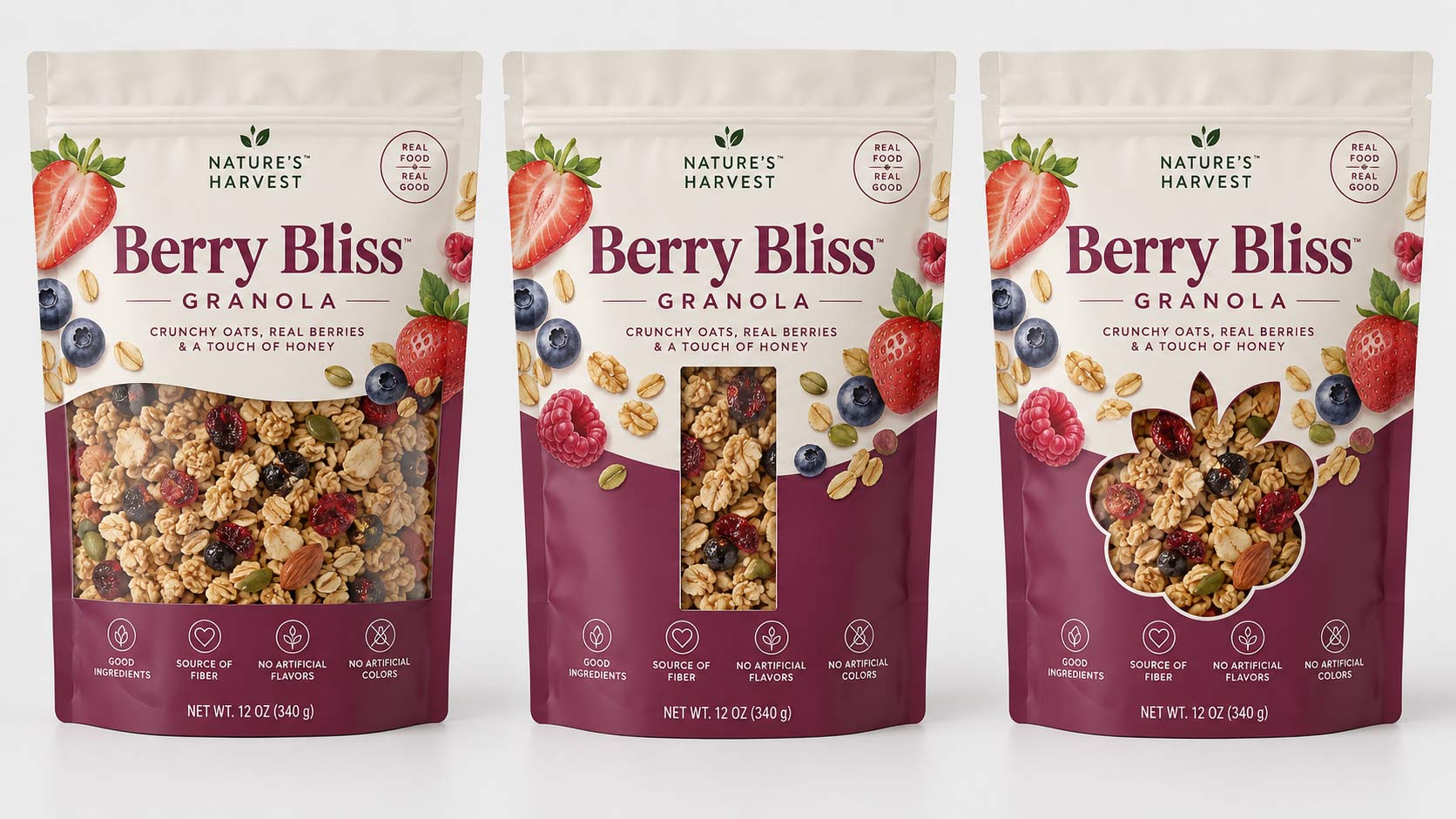
- Make the window smaller. A narrow strip or a small die-cut shape shows the product and exposes a fraction of what a full front panel does.
- Move it off the main mass. A window low on the bag or along one side exposes less of the product than one centered on the widest part.
- Consider a tinted window, which cuts a meaningful amount of light while still letting the product read.
- Put it on the back. Shoppers who want to inspect the product will turn the bag over, and the back panel faces away from shelf lighting.
- Pair it with the right format. A stand-up or flat-bottom pouch holds its shape so the window always frames the product the same way, rather than sagging into a wrinkle.
Match the Window to How Fast It Sells
Shelf time is the multiplier on all of this. Light damage is cumulative, so the same window on the same product is a minor issue at four weeks and a serious one at nine months.
A product that moves quickly through a farmers market or a busy store barely notices. A slow mover on a crowded shelf, a seasonal item, or anything you ship into distribution and lose sight of has time to accumulate real damage. If you sell mostly direct to customers in boxes, the bag spends almost no time under light at all, so a window costs you very little. Our custom boxes and mailers keep the bag in the dark right up to the kitchen counter.
If you are still testing flavors and formats, stock bags with a label let you try a windowed and a non-windowed version of the same product and see whether the window earns its place before you commit to a custom run.
Wrapping It Up: Decide What the Window Is Worth
A window is not a mistake. It is a trade, and it is one of the few packaging decisions where the benefit and the cost are both real and both easy to measure. You gain trust at the shelf and you give up protection over time.
Pick the window based on what is inside and how long it sits, not on how good the mockup looks. Get that right and the window works for you on the products that can carry it, and stays off the ones that cannot afford it.
Ready to Create Packaging That Elevates Your Brand?
Let's bring your product to life on the shelf.
Get a Free Quote