Why Snacks Go Soft in the Bag, and Why a Better Barrier Can Make It Worse
A crisp product that turns soft in the bag looks like a packaging failure, and most brands respond by buying a higher barrier film. Sometimes that fixes it. Sometimes it makes the problem worse, because the water was already inside the bag when it was sealed. Here is how to tell the difference before you spend money on the wrong fix.
Overview
A customer opens your bag two weeks after you made it and the product is not crisp anymore. It is the complaint that stings the most, because the flavor is right, the look is right, and the one thing that failed is the part the customer can see. The natural reaction is to blame the bag and ask a supplier for a better barrier.
Sometimes that is the correct fix. Often it is not, and the upgrade quietly makes things worse. This guide explains where the moisture in a soft snack usually comes from, why a stronger barrier can work against you, how to tell the two problems apart in about a day, and what to change on your line so it stops happening.
The Water Is Often Already Inside
Here is the part that surprises most food brands. A barrier film is judged by how little moisture passes through its walls. That number only matters for water trying to get in from the outside. It does nothing about water that was sealed inside the bag with the product.
Warm food carries moisture with it. Anything that has been baked, fried, roasted, dried, or extruded leaves the process hot and keeps releasing water vapor as it cools. If that product goes into a bag before it has cooled down, the vapor goes in too. The bag seals, the product cools on a pallet overnight, and the vapor has nowhere to go, so it turns back into liquid water on the inside of the film and then soaks into the food.
Nobody sees it happen. The bag was sealed at the end of the shift and the problem shows up days later, hundreds of miles away, in someone's kitchen.
Why the Better Bag Made It Worse
This is where the money gets wasted. A brand gets soft product complaints, upgrades to a higher barrier film, runs the next batch the same way, and the complaints get worse instead of better.
The logic is simple once you see it. A lower barrier bag is slightly leaky in both directions. Some of that trapped vapor slowly works its way out through the walls, so the product recovers a little. A high barrier bag is very good at holding moisture in place, and it does not care which side of the film the moisture started on. Seal warm product inside a foil laminate and you have built a very effective container for your own steam.
The barrier did exactly what you paid for. It just held the wrong water.
How to Tell Which Problem You Have
You can usually sort this out in a day with no lab and no testing budget. The two failures leave different fingerprints, and the timing gives it away.
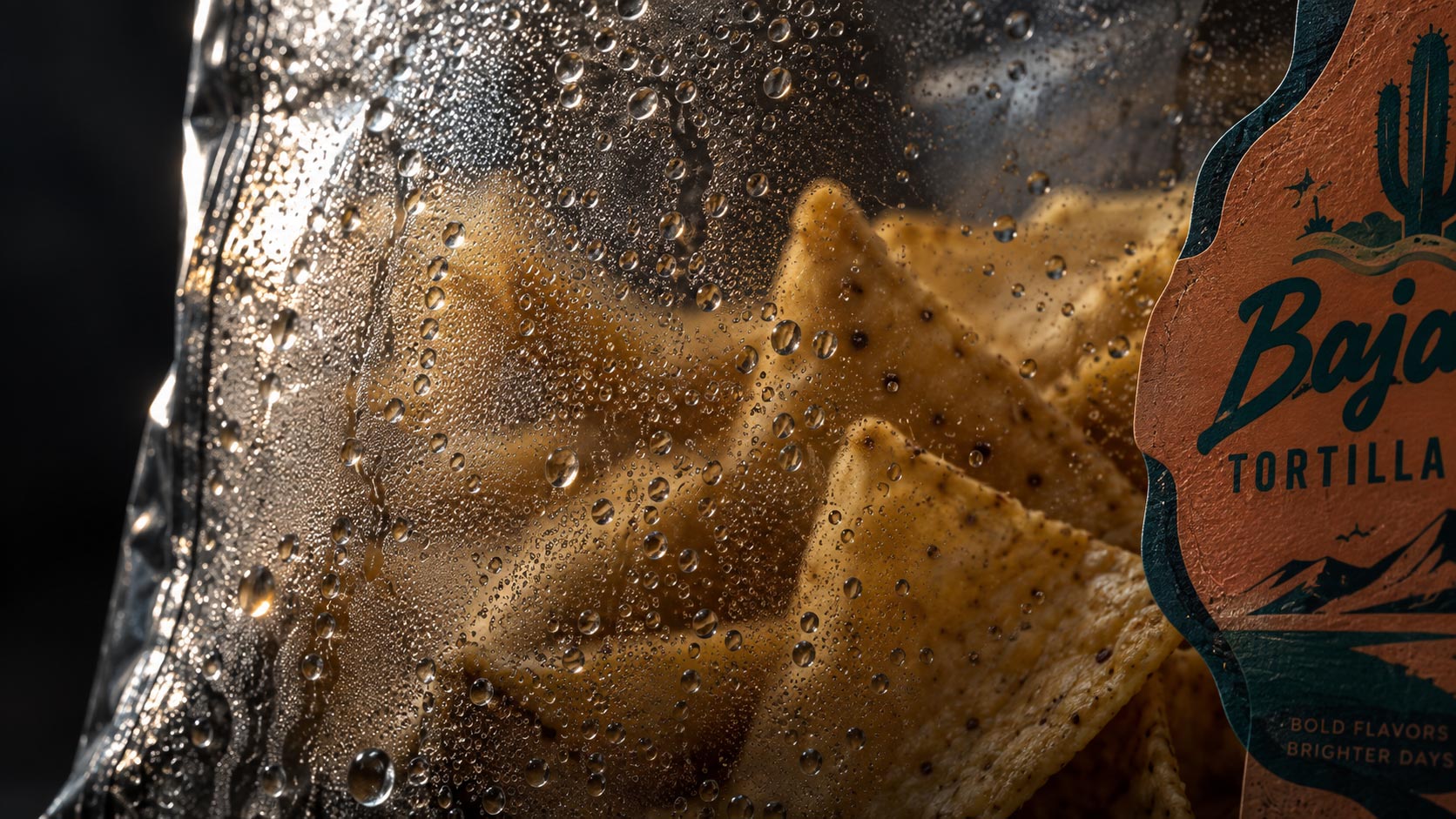
- Pull a bag off the line, let it sit somewhere cool overnight, and look at the inside of the film in the morning. Fog, haze, or fine droplets mean heat and trapped moisture, not a barrier problem.
- If product is soft within the first few days, suspect residual heat. Moisture coming through the walls of a decent bag takes weeks or months to do that much damage.
- If the softness shows up slowly, over the shelf life, with no fogging early on, the barrier and the shelf life target are the real conversation.
- Check the middle of a stacked case or pallet against the outside. If the center bags are worse, they held their heat longer, which points straight at the fill temperature.
- Compare a bag sealed at the start of a run against one from the end of the run, when the line and the product have been running hot for hours.
One more clue is the seal itself. Warm product fills the bag with expanding air, so bags can look puffed leaving the line and then go slack as they cool, which some people misread as a leak.
Heat Costs You a Good Seal Too
Moisture is not the only thing that goes wrong when product goes in warm. The sealant layer on the inside of a bag is designed to melt in a narrow temperature window, and a jaw that is already fighting warm product and rising steam does not always get a clean bond.
That gives you weak seals, wrinkled seals, and seals with a trace of product dust or oil caught in them. Those bags survive the warehouse and fail later in a case or a shipper, which is the kind of problem that gets blamed on rough handling in transit. If you are shipping direct to customers, pairing the right fill practice with custom boxes and mailers keeps the two issues from stacking on top of each other.
Fixing It on the Line
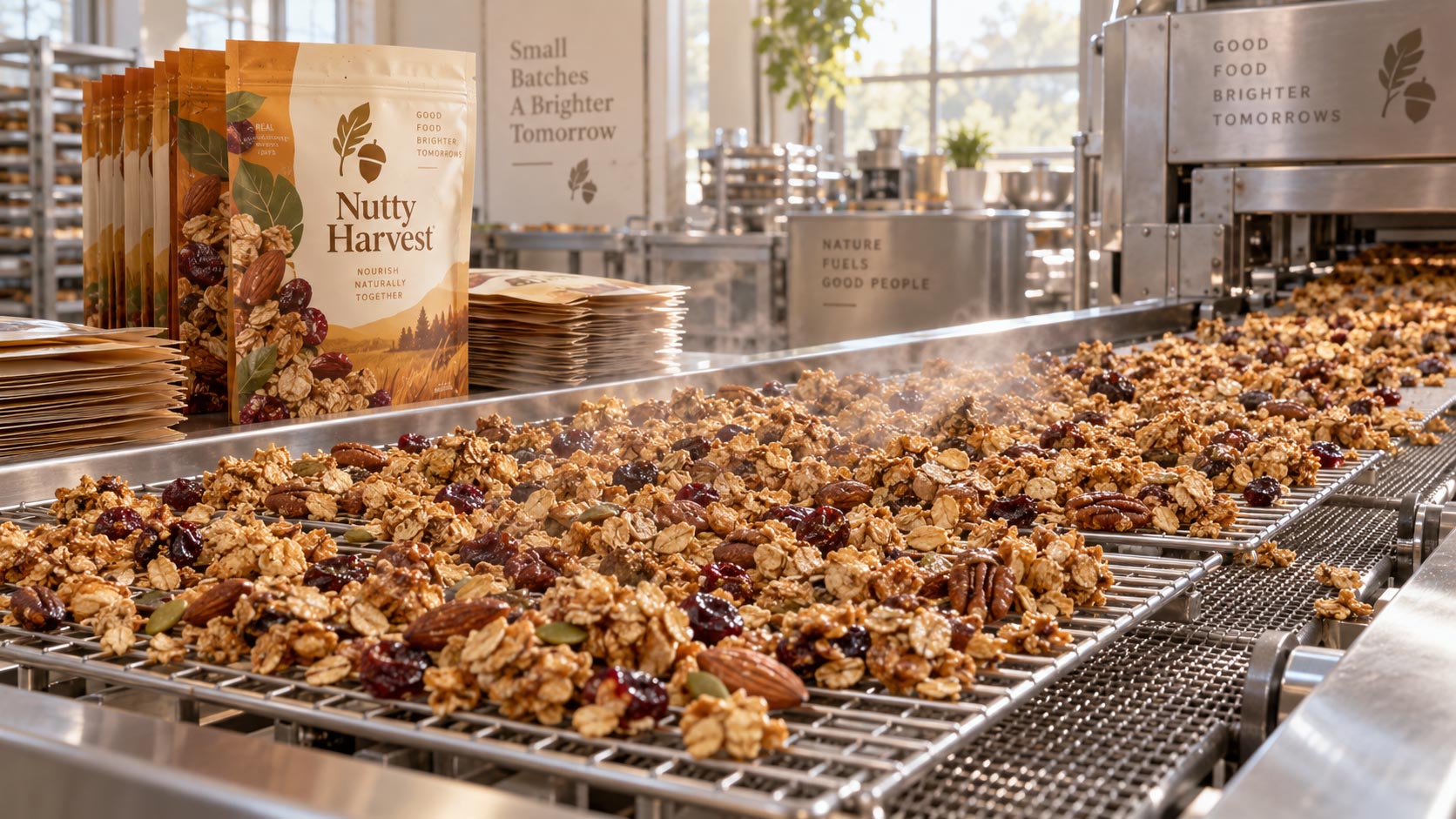
The fix is almost always a change in timing rather than a change in materials, which is good news for your budget. It costs patience and a little floor space, not a new film structure.
- Cool the product to within a few degrees of room temperature before it reaches the filler, and confirm it with a probe instead of touching it with your hand.
- Measure the product itself, not the air around it. Dense pieces and thick nuts or clusters hold heat long after the surface feels cool.
- Give the cooling step real space in the layout, since a short conveyor and a fan is not the same as genuine cooling time.
- Do not stack or shrink wrap warm cases, because a tight pallet turns into an oven that holds heat for most of a day.
- Test the first bag and the last bag of every run, since line temperature climbs as the shift goes on.
Once the fill temperature is under control, then it is worth having the barrier conversation, and it will be a much better conversation because you will know what you are actually solving. Our custom food and product packaging team can match a structure to a real shelf life target, and if you are testing a new recipe in smaller volumes, stock bags let you run that test without committing to a custom structure first.
Moisture Is a Process Decision, Not Only a Material One
It helps to think of freshness as two separate jobs. The film protects the product from the outside world for months. Your process decides what gets sealed inside the bag in the first second. A great film cannot undo a bad first second.
Small and growing producers hit this more often than anyone, because cooling time is the easiest step to shorten when there is an order to get out the door. If you are scaling up a product you used to make in small batches, this is one of the first things worth protecting in your schedule, and it comes up constantly with the farmers and producers we work with.
Wrapping It Up: Cool the Food, Then Blame the Bag
A soft snack is a packaging complaint, but it is not always a packaging failure. If the product went into the bag warm, the moisture that ruined it was sealed in by your own line, and the better barrier you bought to fix it is holding that moisture right against the food. Check for fog on the inside of the film, check the middle of the pallet, and check the temperature at the filler before you change anything you are buying.
Get the product cool first and the bag can finally do the job you chose it for, which is the difference between packaging that protects your work and packaging that gets the blame for it.
Ready to Create Packaging That Elevates Your Brand?
Let's bring your product to life on the shelf.
Get a Free Quote